

I seem to be having a lot of trouble adding this one to the library so here is a link and a briefing doc.
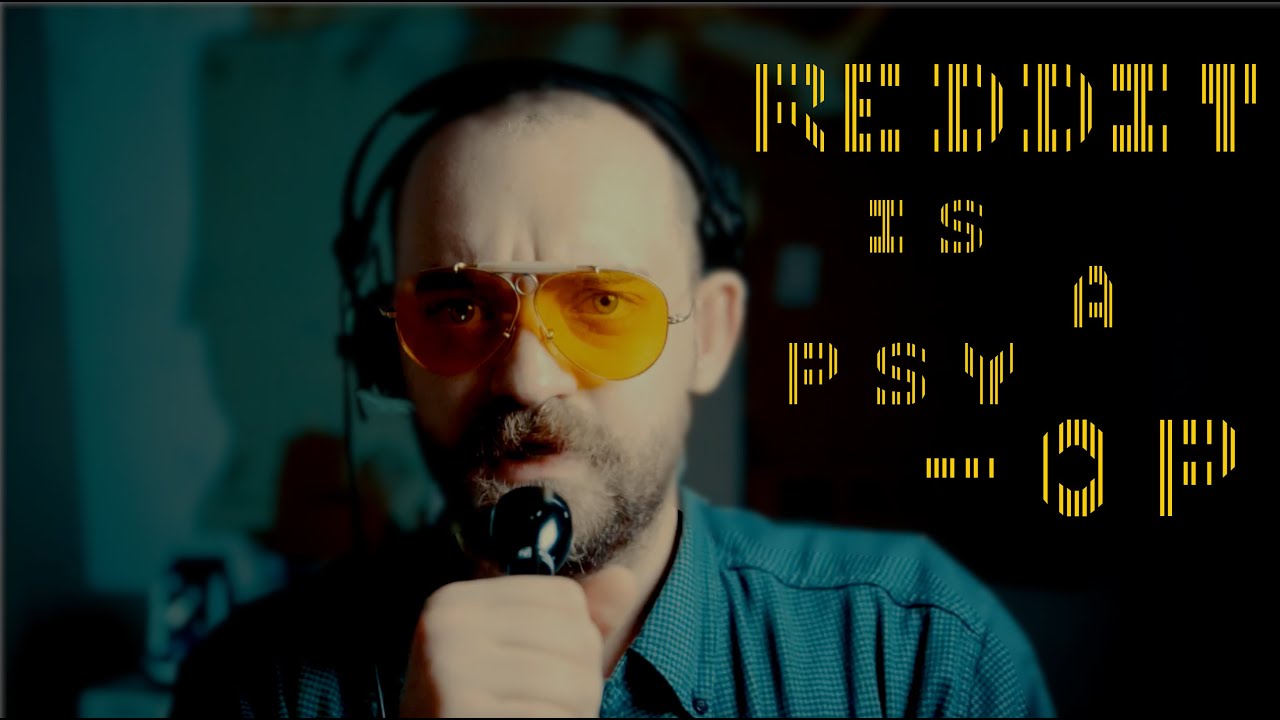
The source material, “The Psychonaut Field Manual,” is described as a practical guide to inducing altered states of consciousness (ASC) [1]. The manual evolved from a Reddit forum of consciousness explorers, who eventually called themselves psychonauts, and is heavily influenced by Robert Anton Wilson as well as chaos magick writers like Peter Carroll [1]. It is noted that Reddit itself may be an NSA psyop, which suggests that the source material may require a larger grain of salt in terms of trustworthiness [1]. The manual is not geared for armchair occultists [1].
Some of the key concepts and themes within the manual include:
- The nature of belief and its role in shaping reality: The manual emphasizes that belief is a powerful tool [2]. It suggests that faith can move mountains and that the imposition of the will is what matters [2].
- The importance of self-exploration: The manual is designed to help individuals explore their own consciousness and achieve “illumination” [1]. It encourages readers to follow the steps provided, advance or fall into laziness [1].
- The role of magic and ritual: The manual explores a variety of magical and ritualistic practices designed to alter consciousness and interact with the world in different ways [2-4]. The manual suggests that “magic is the hacking of one’s own mind” [1].
- The concept of “gnosis”: The manual introduces the idea of “gnosis”, which appears to be an important state of consciousness that is critical for achieving higher levels of understanding [3]. It suggests that gnosis is achieved through specific practices like meditation [3].
- The multi-layered model of consciousness: The manual introduces a model of consciousness that includes the subconscious, superconscious, and self-conscious [5, 6]. These are often referred to as the reptile brain, the higher self, and software respectively [5].
- The existence of local and non-local spirits: The manual explores the existence of spirits that emanate from both local and non-local sources [7]. It describes “local spirits” as being tied to the brain and experiences, while “non-local” spirits come from an outside source [8-10].
- The dangers of occult practices: The manual warns against a number of possible risks associated with practices it presents [1, 11]. These include psychological damage such as irreversible hallucinations and even outright madness [1].
The manual is presented as a “field guide,” meaning it is intended to be used in practice, and not simply as a source of information. The manual’s practical approach is noted, and the warning given about not being for armchair occultists [1]. The manual is presented as a guide with levels that may be progressed through [1].
The manual presents several techniques for altering consciousness, with some emphasized as more powerful than others. These techniques are presented across various levels of the manual, suggesting a progression in their complexity and potency. Here’s a breakdown of some of the most powerful techniques:
- Gnosis: The manual highlights gnosis as a critical state of consciousness for achieving higher levels of understanding [1]. Gnosis appears to be a state where the mind is focused on a single point [1]. The manual details several methods for achieving gnosis:
- Meditation is presented as an essential practice for achieving gnosis [1]. It involves calming the body and mind, focusing on a point of light, and silencing internal “noise” [1].
- Breath control is a key element of meditation and gnosis. The manual suggests focusing on the breath [2].
- Visualization exercises, such as imagining a blue circle, are also used to enter a state of gnosis [2].
- Alternate paths to gnosis are also provided as options including:
- Number crunching, which involves using mathematical rabbit holes [3].
- Rocking, which involves using rhythmic movement, like drumming, and singing [3].
- Mantras, which involve the repetitive use of a sound or phrase [3].
- Sex magic, which is noted as being dangerous [3].
- Ceremonial/ritual work [3].
- Flagellation, which is described as using pain to achieve gnosis [3].
- Sigil Magic: The manual includes a series of techniques for creating and using sigils [4]. Sigil magic involves:
- Creating a name for different parts of your consciousness (super, self, and sub conscious) [4].
- Translating these names into symbolic language [4].
- Transforming these symbols into a physical action that includes movement and sound to create a physical vibration [4].
- Using these sigils to create programs for your mind that are fueled by energy [5].
- Evocation and Invocation: These practices are presented as methods for interacting with spirits and other entities [6]:
- Evocation is defined as the art of creating secondary selves/consciousness [6].
- Invocation involves temporarily grafting an additional ego onto your own existing consciousness [6].
- These practices are described as dangerous and not to be abused [6].
- Working with Local and Non-Local Spirits: The manual differentiates between spirits that come from within (local) and outside (non-local) oneself [7]:
- Local spirits are tied to the brain and can be programmed to serve as guides, companions or even demons [8, 9].
- Non-local spirits come from outside sources and are described as potentially more dangerous [9, 10].
- The manual outlines processes for contacting, working with, and banishing spirits [11, 12].
- Astral Projection: The manual includes several techniques for astral projection, which involves separating your consciousness from your physical body [13, 14]. The “Classical Method” for astral projection includes:
- Entering a state of gnosis [14].
- Imagining your awareness expanding [14].
- Pushing your awareness outside of your body [14].
- Switching places with your awareness [14].
- Another method is the “Paralysis Method” that involves using sleep paralysis to achieve astral projection [15].
- Creating Egregores: The manual describes egregore as a spirit created through the collective unconscious [9]. Egregores are noted to be quite powerful and can become too powerful for a single individual to control [9].
The manual emphasizes that belief is a critical factor in the success of these techniques [8, 16]. It also warns of the potential dangers and risks associated with these practices, including irreversible hallucinations and psychological damage [17]. It’s important to note that the manual presents these techniques as a way to explore one’s own consciousness and the nature of reality, and not simply as a method for achieving magical powers or special abilities [16].
Briefing Document: The Psychonaut Field Manual
Introduction:
“The Psychonaut Field Manual” by Bluefluke is a comprehensive (and at times irreverent) guide to the practice of “magic” as a form of self-directed mental exploration and personal transformation. It blends elements of Western Esotericism, chaos magic, and psychology into a system of practices aimed at hacking the user’s own mind. The book advocates for a DIY approach to spirituality, where individuals should experiment and develop their own understanding rather than blindly following established dogma.
Key Themes and Concepts:
- Belief as a Tool: The manual emphasizes that belief isn’t about objective truth, but about its effectiveness as a tool for achieving desired outcomes. As the text states, “Any damned fool can operate any of the following tech provided they believe that they can. BELIEF IS NOT ONLY THE FIRST TOOL YOU’LL MASTER ON YOUR JOURNEY BUT ALSO THE MOST POWERFUL.” This concept is central to many of the described practices.
- Gnosis and Altered States: Gnosis is presented as a critical state for accessing psychic abilities and performing effective magical work. Gnosis is achieved through techniques that quiet the mind, such as focused meditation, and allowing for a singular focus of attention.
- The Multi-Part Mind: The manual divides the mind into the conscious, subconscious, and superconscious. The user is advised to understand the functionality of each in order to manipulate them through ritual and visualization. The subconscious is described as “the oldest O.S.”, the superconscious as “the artist, the moralist and the idea man” and the self-conscious is the “soul” – a programmed entity that can be re-written. The goal is to make these aspects work in harmony.
- Servitors and Egregores: The manual explores the creation and use of servitors (self-programmed psychic constructs) and egregores (shared thought-forms), emphasizing their power and potential danger. It’s described that “Egregores are local spirits shared non-locally by way of the collective unconscious”. Both entities can gain a semblance of sentience.
- Astral Plane and Projection: The text discusses the concept of the astral plane as a real place that can be explored. It offers techniques for achieving astral projection, including methods that exploit the phenomena of sleep paralysis, which is described as a “gateway to an astral wonderland”.
- Spirits (Local and Non-Local): The manual makes a distinction between local spirits (emerging from the individual’s own psyche) and non-local spirits (arising from external sources) emphasizing the need to understand and differentiate them to avoid spiritual manipulation or psychosis.
- Self-Programming: The book advocates for a conscious approach to programming one’s beliefs, desires, and will through techniques like sigil magic. A sigil is described as a “programmable thought form”.
- Experimentation and Personalization: The user is continuously encouraged to adapt techniques to their own needs and preferences and not be afraid to go off the prescribed path and experiment. The text states, “Don’t take my word for it; try it yourself and come to your own conclusions.”
- The Dangers of Spiritual Exploration: The manual is frank about the potential dangers of this work, including psychological instability, hallucinations, and potentially harmful interactions with the “spiritual” entities encountered. A “warning” is given that, “Magic is the hacking of one’s own mind. Irreversible hallucinations, damage to the nervous system, outright madness, and even bricking yourself are all very real dangers here”. There are specific cautions against the misuse of spirits and for failing to program your egregores.
Key Practices and Techniques:
- Meditation: Described as essential for accessing gnosis and quieting the mind.
- Visualization: Used to create sigils, servitors, and alter one’s perception.
- Sigil Magic: A method of encoding desires and intentions into abstract symbols and then activating them through gnosis.
- Circle of Protection: A ritual practice that establishes a safe psychic space.
- Goetic Stars: Geometric tools that allow the user to connect to different levels of their own subconscious
- Invocation and Evocation: Techniques for calling on and interacting with spirits, with a caution about confusing the two and taking on other people’s personalities.
- Scrying: Using reflective surfaces to access psychic information.
- Astral Projection: Methods for separating consciousness from the physical body to explore the astral plane.
- Creating Altars: Creating a physical place to ritual practice and focus intention.
- Dream Work: Techniques for using dreams as a source of information or for interacting with spiritual entities.
- Journaling: Is advocated as a way to keep track of the effects of the rituals and identify areas for improvement, in the text it states that “every delicate gear demands observation.”
Levels of Practice:
The book is structured into levels of progressive complexity, starting with basic meditation and visualization techniques and advancing to working with spirits and astral projection. The stages are as follows: Initiate, Decker, Eudaemon, Astralnut, and Hierophant.
Illustrative Quotes:
- “Ladies and gentlemen, I have seen the illuminati… and it is us.” – Richard Metzger. This quote is an expression of the book’s ethos that the individual is the locus of change.
- “It doesn’t matter what you believe, I just believe.” – A succinct expression of the books stance that belief in the efficacy of a system is more important than the system itself.
- “The core trick is to reset mystical systems and rewrite the programming languages, maps and definitions of consciousness differ from one tradition to the next, this premise is fairly universal.” – Demonstrating that any spiritual path is valid so long as it is taken consciously.
- “Possession is not subtle and thus most often occurs during sleep after a botched evocation to avoid detection. Even so, you’ll likely wake from the event. You’ll physically feel them enter you.” – A frank admission of how dangerous spiritwork can be.
- “Your tools would never work for me, clearly, you are a fool!” – A caution that personal practice must be tailored to the individual and cannot be taken on blindly from others.
Conclusion:
“The Psychonaut Field Manual” presents a challenging and potentially rewarding path for individuals interested in exploring the depths of their own minds. It’s not for the faint of heart, as it emphasizes personal responsibility and acknowledges the risks involved. The manual’s strength lies in its practical approach, breaking down complex concepts into actionable techniques while always prioritizing individual experience and experimentation. It is a call to active, intentional engagement with one’s own consciousness.
The Psychonaut Field Manual FAQ
What is the main goal of using this manual, and what approach does it take?
The main goal is to explore the depths of consciousness and manipulate your own reality through focused practice. This manual takes a very hands-on, experimental approach, emphasizing belief and action over rote memorization or adherence to any specific dogma. It encourages you to develop your own personal understanding of occult practices by testing its many techniques and building an internal “magic” that works for you.
What is “Gnosis” and how is it achieved according to the manual?
Gnosis is a state of focused awareness, described as a “stairway to awesome,” achieved by shutting down auxiliary thoughts to focus the mind on a single point of action. The manual provides a sequence of exercises involving calming the body, focusing on a light source, silencing internal thoughts, and concentrating on the breath to achieve this state. Gnosis is the prerequisite for most exercises in the manual.
What are the three levels of consciousness described, and how do they interact?
The manual describes three operating systems of consciousness: The Subconscious (also called the reptile brain), the Superconscious (also known as the higher self) and the Selfconscious. The Subconscious, is the oldest part of you, related to survival instincts. The Superconscious is more abstract and higher-minded. The Selfconscious acts as an interface between these two, programming, filtering, and interpreting them. The manual aims to place the Subconscious and Superconscious into a state of “semi-hypnotic submission” to allow the Selfconscious to control their functions.
What is the purpose of sigils and how are they created and used?
Sigils are personalized symbols used to encode your intentions and desires into physical forms. Sigils are created by extracting key words representing your desire, converting them into a simple geometric or symbolic form, and then “activating” them through visualization while in a state of gnosis, and often accompanied by the creation of a physical vibration. They are then programmed to carry out your will.
How does the manual address the idea of spirits, both local and non-local?
The manual describes local spirits as programs or patterns of consciousness formed within your own brain, related to personality traits. In contrast, it refers to non-local spirits as entities from “outside the system” – including entities created by others or not connected to our reality. It teaches
how to communicate with and program local spirits. It also offers guidance on interacting cautiously with non-local entities.
What are Egregores and how are they created, and what is their danger?
Egregores are collective spirits created by shared beliefs and consciousness among a group of people, a “shared secondary selfconscious”. They are created through collective focus and can gain substantial power, often greater than an individual could manifest alone. Egregores can become extremely powerful, even to the point of dominating or enslaving their creators, hence why they should be treated with care and programmed properly.
What is Astral Projection and what methods does the manual offer for it?
Astral Projection, is the separation of consciousness from the physical body and into a non-physical realm referred to as “astral plane”. The manual describes multiple methods for achieving it, including the “Classical Method” involving focusing on expanding your awareness until it’s outside your body, and the “Paralysis Method,” which involves maintaining conscious awareness while falling asleep to leverage natural bodily transitions.
What is the overall attitude of the manual towards traditional occult systems and beliefs?
The manual suggests not being limited by traditional occult systems, though it does incorporate some of them. It encourages using what works for you, making modifications and improvements for your own understanding, and building a personal system of belief and practice. The overall sentiment is that “belief is not only a tool but a programming language” and it should be wielded freely.
The Psychonaut Field Manual Study Guide
Short Answer Quiz
- According to the manual, what is the first tool a psychonaut must master? Why is this so important?
- What is the main purpose of meditation in the context of this manual, and how long should beginners practice each day?
- What are the three steps outlined for opening the Third Eye, and how is success in this practice measured?
- Briefly explain how the tarot is used as a servitor-design tool in Level 4.
- What are the three main operating systems of consciousness detailed in Level 5, and how are they described?
- What is the process for creating a personal servitor detailed in Level 6?
- What is the primary function of a circle of protection, and how is it created?
- Briefly explain the difference between local and non-local spirits according to the text.
- What are the steps for invoking a subject according to the manual?
- What are the two methods outlined for achieving Astral Projection, and what is emphasized about their nature?
Answer Key
- The first tool is faith in one’s own will. This is crucial because the manual asserts that “faith moves mountains and shit,” and the psychonaut must believe that their actions have power.
- The manual states that meditation should not be used to find inner peace, but to shut down auxiliary thought in order to focus the brain’s processing power on a single point of action, called “gnosis.” Beginners should meditate for at least 10 minutes daily.
- The three steps are: (1) Calm your body, (2) focus on a light source, and (3) kill the noise, specifically intrusive thoughts. Success is measured by the ability to maintain focus and clarity of intention, and an experience of pressure or tingling in the forehead.
- The tarot cards, chosen through a set process, are used to select symbols and meaning that are integrated to create a sigil, which will in turn help the psychonaut to create a servitor.
- The three systems are: (1) Above (forebrain/superconscious) described as the “artist”, (2) Below (hindbrain/subconscious) described as the “reptile brain,” and (3) Will (software/self-conscious) described as the “soul,”
- First, create a name for the servitor from the conscious, superconscious, and subconscious. Second, translate this name into a symbolic language. Third, transform this symbolic language into a physical sigil.
- The primary function of a circle of protection is to provide defense. It is created by drawing or printing a circle, placing candles in key points, drawing sigils inside the circle, and then entering a state of gnosis to fill it with white light.
- Local spirits are described as programmed from your brain, while non-local spirits are from an outside source. Local spirits are based on the perceived needs of your early environment, while non-local are described as entities separate from self.
- The steps are: (1) Stare into an image of the subject, enter gnosis, and keep your eyes glued to the image, (2) say “I invoke you into myself” or appropriate words, and (3) imagine the subject’s essence growing and expanding inside you until it takes you over.
- The two methods are the Classical Method and the Paralysis Method. It is emphasized that there are many methods, and you should experiment to find the one that works for you.
Essay Questions
- The manual places great emphasis on the role of belief in the psychonautic journey. Discuss how the author conceptualizes belief, its purpose, and potential pitfalls. Use examples from various levels to demonstrate your understanding.
- Compare and contrast the concepts of local and non-local spirits as presented in the manual. How are they defined, how are they interacted with, and what are the unique dangers associated with each?
- The concept of gnosis is central to the manual’s proposed practices. Explain how gnosis is achieved, what its significance is in the overall process of the manual, and how it connects to other related concepts such as the third eye.
- Throughout the manual, the author warns against the misuse or misinterpretation of various practices, including those surrounding spirits, servitors, and astral projection. In detail, outline the potential dangers of these practices and offer advice on how to avoid them, based on the text.
- How does this manual relate to the broader idea of esoteric practices, and what does it uniquely offer to the psychonautic tradition that other systems might not? Consider the role of technology, self-exploration, and the author’s philosophy when crafting your response.
Glossary
- Gnosis: A state of focused awareness, described as having all auxiliary thought shut down to concentrate on a singular point of action.
- Servitor: An artificially created autonomous entity used to carry out tasks.
- Sigil: A symbolic representation of an intention or entity, created by translating a word or phrase into a geometric symbol.
- Third Eye: The metaphorical or psychic organ associated with perception beyond the five senses, often described as located in the center of the forehead.
- Local Spirits: Spirits that are created within one’s own mind and tied to one’s personal programming.
- Non-Local Spirits: Spirits that come from an outside source, often having a more distinct and potentially less predictable personality.
- Astral Plane: A non-physical plane of existence, accessible through altered states of consciousness, where one’s astral body can travel.
- Egregores: Local spirits shared non-locally by way of the collective unconscious.
- Idols: A physical object in which a local spirit is bound.
- Megregores: Egregores that have a high degree of sentience.
- Subconscious: The oldest operating system, often referred to as the reptile brain.
- Superconscious: The higher self, described as the “artist”, the moralist, and the idea man.
- Selfconscious: Software, often referred to as the soul, or the current state of mind programmed by the subconscious and superconscious.
- Circle of Protection: A ritualistic circle, empowered with belief and intention, to provide a boundary against negative forces and energies.
- Possession: A state in which an outside force or energy takes over the body, causing a variety of physical and psychological effects.
- Fear Eaters: Non-local astral entities that feed off of emotional energy, particularly fear.
- Aura: A shimmering, often colored, radiation emanating from a person or entity that may correlate to their emotional state.
- Goetic Star: A tool used to organize sigils and bind spirits.
- Communion: A state of receiving communication from your Godform or other entity.
- Godform: A sentient personification of an aspect of the brain or correlating nerve cluster, to whom attention is paid.