

This is a prerequisite for official involvement in the membership of Vulcan-Astarte Temple. This would be considered a Guide for the Aspiring Neophyte of any of the traditions influenced by the Hermetic Order of The Golden Dawn. While we do have a degree system, due to the unconventional nature of the Mentuhotep’s degree attainment. materials, examinations, and initiation’s do not follow a preordained structure but are aligned to the initiate’s own progression. Please enjoy this first foray into the theoretical and practical foundations we work by.
Tag: yoga
-

New training documents Incoming

In this time of year after taking stock and giving thanks and feasting for the end of the harvest, we prepare for the battle of Ra with Apophis at their conjuncture in the Southern Cross. Yule will be a time of merriment for after 3 days, behold the days lengthen and the thoughts turn to the coming years labors. This year, unfortunately comes in the midst of interesting times, (thou should be so cursed.) So with the Sun rises an anti-anti order of jokesters, new fools, and hypocrites, scholarly practitioners of the boogly arts, to offer vexation unto those who would destroy all life on Earth by their asinine cleansing fire. Applications will be opening after the Winter Solstice for an in-person event coming During the following Equinox. To that end, a series of training documents and invitations will be offered for those cognizant of it’s immediate necessity. Notice given herewith. All documents issued will bear this seal, which is verily stronger than copyright, and bears penalty for misuse. Communications regarding the trainings may be addressed on the front page using the protocols suggested under the contact form. Rejoice, a new altar of the mysteries is forming under guidance of the Sun.
-
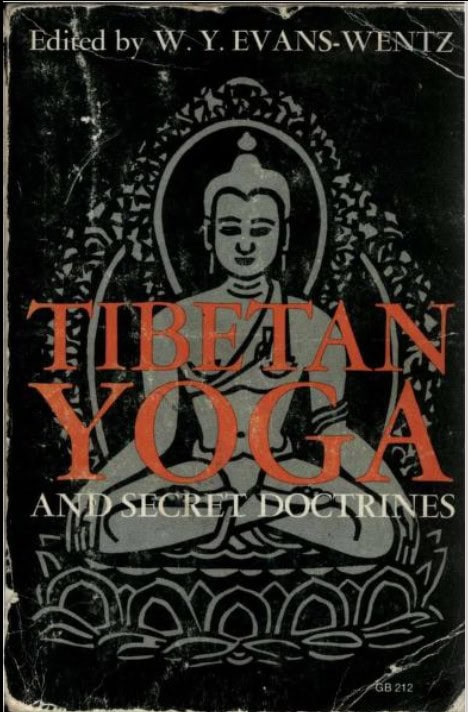
A C-Level Low Effort Post on Tibetan Yoga and Secret Doctrines By Evans-Wentz
As I spent most of this early morning working on the library available in the links above and am currently reading this title, I thought I’d let AI take a crack at a book report to at least give you a little something to tide you over. This is a summary of the book using the new auto blog post report feature of Google Notebook LM. Whereas Cliff’s Notes back in the day were about a B grade on their own, I find comprehension levels of this particular LM to be a non-passing C in our own curriculum, but as only about 3 in 10 Americans read books regularly, and 70% read at a 6th grade level, I think this may actually be useful. AI book report is as follows
5 Mind-Bending Secrets from an Ancient Tibetan Yoga Text
For many in the West, yoga is a familiar sanctuary—a way to build physical strength, increase flexibility, and find a moment of mental calm in a chaotic world. We roll out our mats to de-stress and reconnect with our bodies. But what if this modern interpretation is merely the antechamber to a vast and radical temple of knowledge? What if the true purpose of yoga was never about perfecting the body, but about systematically dismantling our perception of reality itself?
Ancient Tibetan texts reveal that authentic yoga is a profound and uncompromising “science of the mind” that wages a direct assault on our most fundamental beliefs about consciousness, the self, and the limits of human potential. W. Y. Evans-Wentz’s landmark volume, Tibetan Yoga and Secret Doctrines, offers a rare portal into these advanced teachings, translated from authentic manuscripts and oral traditions. It presents a framework so alien to Western thought that it forces us to question the very ground we stand on.
Distilled from this esoteric collection, here are five of the most counter-intuitive and mind-bending secrets that reveal a far deeper, and more dangerous, kind of yoga.
1. You Can Generate Your Own Central Heating
The first doctrine, the Yoga of Psychic-Heat, or Tummo, presents a yogic science for gaining such complete mastery over the body’s internal processes that external temperature becomes irrelevant. This isn’t merely a mental trick; it’s a precise technique for concentrating the body’s vital energy, or prana (Tibetan: Rlung), to transmute generative fluids into a subtle, fiery essence that can be circulated through the psychic nerve channels.
The practical results of this mastery are astonishing. The text describes adepts living in the high, snowy solitudes of the Himalayas clad only in a single cotton cloth, completely immune to the arctic-like temperatures. A standard test of proficiency involved a yogi sitting naked in the snow and drying a series of wet sheets on their body using only their self-generated heat. This doctrine transforms the body from a fragile vessel that must be protected from the elements into a self-regulating furnace. It is the ultimate expression of an internal locus of control, a form of bio-hacking so advanced that it renders the external world secondary to the power of a disciplined mind.
Were the Heat Yoga to be taught universally in all schools and so become a world-wide practice, there would be no need for central-heating in the dwellings of men, not even in Alaska and Siberia, or throughout arctic and antarctic regions.
2. Your Consciousness Isn’t Stapled to Your Body
Western thought tends to view consciousness as intrinsically and permanently tied to a single physical body. These Tibetan doctrines propose a radically different model. The first art is known as Consciousness-Transference (Pho-wa), a yogic skill that allows a practitioner to consciously direct the departure of their consciousness-principle from the body at the moment of death.
Even more startling is the secret doctrine of Trongjug, the yogic ability to enter and resuscitate the body of a person who has just died. A yogic tale is recounted to illustrate this: Marpa, a great teacher, had a son named Doday-Bum who suffered a sudden, fatal injury. In a demonstration of yogic mastery under duress, Doday-Bum recognized there was “no human body immediately available” for him to inhabit. He was thus compelled to make conscious, transitional use of the body of a pigeon that had just died. As the pigeon, he flew to a cremation ground in India where the corpse of a young Brahmin boy lay on a funeral pyre. The pigeon landed on the body and dropped dead as the boy revived. This boy grew up to become the famous saint Tiphoo. This teaching radically redefines the self, suggesting consciousness is not a fixed property but a mobile, transferable principle that can be consciously directed by a trained mind.
3. Waking Life is Just as Illusory as a Dream
The Doctrine of the Dream-State begins with a familiar concept: learning to recognize that one is dreaming while the dream is happening (lucid dreaming). The next step, however, is to learn to control and transmute the content of the dream at will. But the ultimate purpose of this practice is not to master a fantasy world, but to expose a far deeper truth about the nature of reality itself.
The text argues that both the dream-state and the waking-state are fundamentally unreal. Both are entirely dependent on sensory perceptions processed by the mind, and the mind itself makes no real distinction between cognitions that are generated internally (a dream) and those that are processed from external stimuli (waking life). If one can learn to manipulate the fabric of the dream world, one begins to grasp the equally illusory and malleable nature of the waking world. This realization is a step toward the text’s ultimate conclusion: that the entire fabric of reality, the universe itself, is nothing less than the “Dream of the One Mind.”
Only when one awakes from sleep is the illusory character of a dream realized; only when the dreamer of the Dream of Ignorance awakes, in the unconditioned, sleepless, dreamless, True State, can the illusory character of the Sangsara be comprehended.
4. The Ultimate Act of Enlightenment Is Feeding Your Body to Demons
Perhaps the most dramatic and visceral practice detailed in the volume is the Chöd Rite, or the Yoga of Subduing the Lower Self. This mystic ritual is designed to utterly annihilate the ego, which is seen as the root of all suffering.
At the heart of the rite, the yogin visualizes their own intellect as a Wrathful Goddess who stands apart from their physical form. This goddess takes a curved knife and severs the head from the yogin’s physical corpse, which is envisioned as a “fat, luscious-looking” offering. She then dismembers the body and places the flesh, blood, and bones into a “vast cauldron made from the skull.” This gruesome offering is then served as a sacrificial feast to all manner of spirits, demons, and karmic debtors. The purpose of this shocking visualization is to destroy the “erroneous belief in a personal self.” The text calls the body “the dregs of egoism”—the very thing that creates the illusory distinction between the suffering of worldly existence (Sangsara) and liberation (Nirvana). It is the ultimate act of renunciation, a frighteningly concrete method for achieving the state of non-ego.
5. Your Greatest Obstacles Are Actually Your Greatest Allies
A final, deeply philosophical insight runs directly counter to the common human impulse to seek pleasure and avoid pain. The precepts in the first book of the text present a list of “Ten Things Not To Be Avoided,” framing life’s most difficult experiences not as setbacks, but as essential catalysts for spiritual growth. The teaching here is far more radical than simply finding a silver lining; it suggests a full-bodied immersion into the very things we fear most.
Instead of being obstacles on the path, these challenges are reframed as indispensable guides. This perspective doesn’t just reframe suffering; it demands that we engage with our passions and misfortunes so completely that we “taste life to the full and thereby reach disillusionment.” It is only by exhausting the power these experiences hold over us that we can be truly free from them. They are not punishments to be endured, but gurus to be embraced on the path to liberation.
- Obscuring passions, being the means of reminding one of Divine Wisdom [which giveth deliverance from them], are not to be avoided [if rightly used to enable one to taste life to the full and thereby reach disillusionment].
- Illness and tribulations, being teachers of piety, are not to be avoided.
- Enemies and misfortune, being the means of inclining one to a religious career, are not to be avoided.
Conclusion: A Deeper Kind of Yoga
These doctrines paint a picture of “yoga” that transcends physical postures and breathing exercises. They reveal an intricate and demanding science aimed not at perfecting the body, but at systematically dismantling, understanding, and ultimately mastering the mind. For these ancient yogins, consciousness was the ultimate frontier, and the human body was the laboratory for exploring its deepest nature.
These ancient doctrines challenge our most basic assumptions about the self and reality. If the mind truly holds this much power, what else might we be capable of?
-
A YOGAPUNX Podcast on Grimoires
After losing some of the recent posts to a site crash and emergency restore. I thought we’d come back strong with one of our AI discussions of materials from the library. Poor Google Notebook LM could only make sense of a few of them and some of the pronunciations are odd, but it’s a brief taste of the history of the nonfiction(?) magical writing available to yogapunx subscribers. Remember, members get access to the classified library as well as options for personal instruction in Magick, Meditiation, and sundry topics from snswrld. You can find the membership signup tab above.
-

YOGAPUNX podcast on Tantra

Come on yogis, shmanas, and pervs. You know you want to know a lot more about Tantra
-
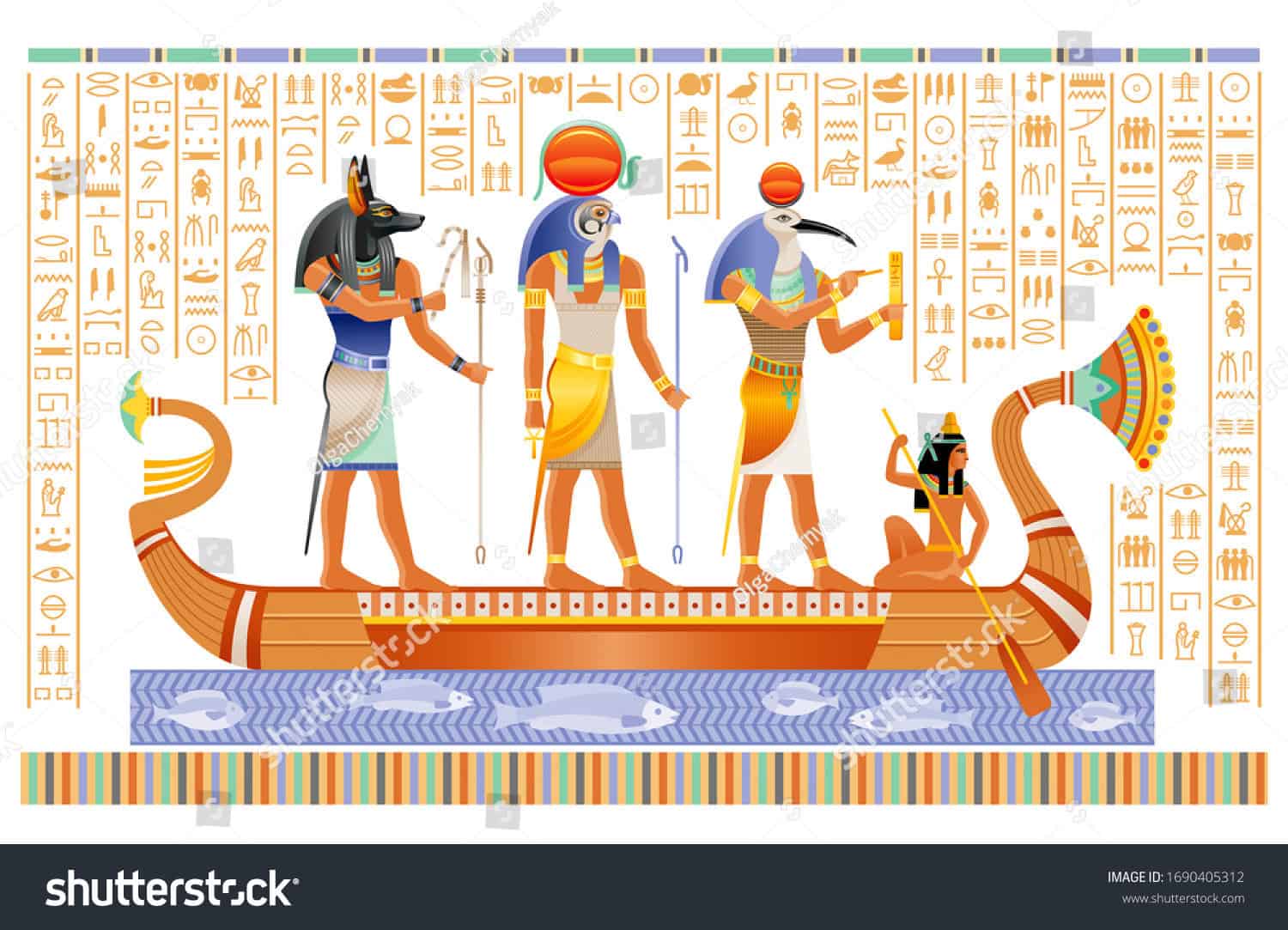
This is how you begin to worship the sun
I only did this poorly for a couple months, 3rd attempt.,and was able to see The Sun Father behind the Sun Child SOL
-

Alchemy 101 A YOGAPUNX Podcast and Full Briefing

Briefing Document: Alchemy and Mystical Transformation
I. Core Alchemical Concepts & Processes
- The Great Work (Magnum Opus): Alchemy is not solely about transmuting base metals into gold, but also about the spiritual transformation of the alchemist themselves. This transformation is often referred to as the “Great Work” which is the ultimate goal. As stated in the document, the alchemist’s goal is a medicine universal, both for prolonging life and curing all diseases.
- “He who hath once, by the blessing of God, perfectly attained this Art…he may by this Art make precious stones and gems, such as cannot be paralleled in Nature for goodness and greatness. Thirdly and lastly, he hath a Medicine Universal, both for prolonging life and curing of all diseases” (Alchemy-Rediscovered-And-Restored)
- Transmutation: Metals are seen as being in a state of progression towards gold, the perfect metal, and the alchemist seeks to accelerate this process.
- “all other metals are on the way towards eventually becoming gold; thus the alchemist merely does by art what nature does slowly through the years.” (Alchemy-Rediscovered-And-Restored)
- The Philosophers’ Stone: The ultimate goal of the Great Work and the agent of transmutation and healing.
- “Know that this matter I call the stone, but it is also named the feminine of magnesia, or the hen, or the white spittle, or the volatile milk, the incombustible oil… which I have nevertheless signified to the wise by one only epithet, viz., the Philosophers’ Stone.” (Alchemy-Rediscovered-And-Restored)
- Key Operations: There are seven major operations in the alchemical process: Calcination, Dissolution, Separation, Conjunction, Fermentation, Distillation, and Coagulation (Dictionary of Alchemy). These are processes in both the material and spiritual realms, with the spiritual often taking primacy.
- The Three Principles: Alchemists saw the elements as manifestations of three underlying principles: Salt, Sulphur, and Mercury. These principles also have symbolic meanings in spiritual development.
- “”The disposition sought after by the philosophers, O Son, is but one in our egg, but this in the hen’s egg is much less to be found…Know, therefore, that in the hen’s egg is the greatest help with respect to the proximity and relationship of the matter in nature for in it there is a spirituality and conjunction of elements, and an earth which is golden in its tincture.” (Alchemy-Rediscovered-And-Restored)
- “There were two which were superficial… and the third essential to Sol and Luna only, not to the Stone; for nature would produce these two out of it by artificial decoction… [These distinctions depend on ignorance, after throwing off which the individual is one with the highest.” (Hidden Symbolism of Alchemy and the Occult Arts)
- Planetary Correspondences: Each of the seven traditional metals is associated with a planet: Gold (Sun), Silver (Moon), Mercury (Mercury), Tin (Jupiter), Iron (Mars), Copper (Venus), and Lead (Saturn). These associations are symbolic and indicate different energies and qualities.
- “Thus Gold is termed the Sun, Silver ” Moon, Mercury ” Mercury, Tin ” Jupiter, Iron ” Mars, Copper ” Venus, Lead ” Saturn.” (Alchemy-Rediscovered-And-Restored)
- The Prima Materia: The starting material for the Great Work, often described as formless and containing all possibilities, but it is a mystery as to what this actual substance may be. It is also sometimes referred to as urine.
- “The prima materia is also called urine.” (Hidden Symbolism of Alchemy and the Occult Arts)
- Incest: Often found in alchemical texts, particularly during the stage of conjunction. This symbolizes the union of opposites, of the internal world, and the external world in order to create something new.
- “…and regulate your work well, and marry consanguineous matter with masses acting consanguineously….” [Incest.] (Hidden Symbolism of Alchemy and the Occult Arts)
II. Symbolism and Interpretation
- Symbolic Language: Alchemists employed a highly symbolic language to conceal their secrets and to convey deeper spiritual meanings.
- “It is a peculiarity of the alchemistic authors to use interchangeably” (Hidden Symbolism of Alchemy and the Occult Arts)
- Dream and Myth Interpretation: Dreams and myths are seen as valuable sources of symbolic insight into the unconscious and the inner processes of transformation.
- “The earth trembles at their attempts to free themselves. Thus the titanic forces of the soul strive powerfully upward. And as they may not live in the light of consciousness they rave in darkness. They take the main part in the procreation of dreams, produce in some cases hysterical symptoms, compulsion ideas and acts, anxiety neuroses, etc. The examination of these psychic disturbances is not without importance for our later researches.” (Hidden Symbolism of Alchemy and the Occult Arts)
- Psychological Interpretations: Alchemical processes and symbols can be understood as metaphors for psychological processes, particularly those related to individuation and the integration of the shadow self. The unconscious is a place of hidden potential that can drive human behavior if left unattended.
- “The innermost lies in ourselves and is only fashioned and exercised upon persons of the external world.” (Hidden Symbolism of Alchemy and the Occult Arts)
- “We must sublimate our impulses.” (Hidden Symbolism of Alchemy and the Occult Arts)
- Rebirth: The concept of the death and rebirth is a key idea in alchemy. This represents the transformation of the alchemist as they go through the Great Work. This often includes the imagery of being inside a monstrous being, and then breaking out of it.
- “In cases where the uterus is represented by the body cavity of a monster the rebirth occurs most frequently by a spitting forth. Also the breaking forth by means of tearing apart the uterus occurs, and in every case it has the significance of a“powerfully [316] tearing of oneself away,” the burning of bridges behind one, the final victory over the mother.” (Hidden Symbolism of Alchemy and the Occult Arts)
- Opposites: The union of opposites (e.g., Sun and Moon, male and female) is a central theme, reflecting the alchemical goal of integration.
- “the masculine is truly the heaven of the feminine, and the feminine is the earth of the masculine.” (Alchemy-Rediscovered-And-Restored)
III. Spiritual and Mystical Dimensions
- The Divine Within: Alchemy emphasizes the importance of self-knowledge and the discovery of the divine spark within. It is from within that an individual is able to realize the Great Work.
- “Therefore let the high inquirers and searchers into the deep mysteries of nature learn first to know what they have in themselves, and by the divine power within them let them first heal themselves and transmute their own souls, … if that which thou seekest thou findest not within thee, thou wilt never find it without thee.” (Hidden Symbolism of Alchemy and the Occult Arts)
- Introversion: The process of introversion, turning inward, is essential for spiritual transformation, allowing one to access the inner world. Introversion is not only seen as a personal experience, but one that is vital for understanding larger concepts.
- “The term“ introversion” comes from C. G. Jung. It means sinking into one’s own soul; the withdrawal of interest from the outer world; the seeking for joys that can be afforded by the inner world. The psychology of the neuroses has led to the concept of introversion, a province, therefore, which principally treats of morbid forms and functions of introversion.” (Hidden Symbolism of Alchemy and the Occult Arts)
- Union with the Divine (Unio Mystica): The alchemical process culminates in a mystical union with the divine, transcending duality and achieving a state of wholeness. The goal of transformation is union with God.
- “So that the spirit clearly bore witness and gave me to understand that nothing could make me worthy of this marriage with the Lamb [unio mystica] except an absolute death, since he wedded only the maidenly spirit, to be one flesh with him, [H in H, F against F, etc.] and by so doing changed it into his own pure manhood. [Humanity.]” (Hidden Symbolism of Alchemy and the Occult Arts)
- The Importance of Silence and Secrecy: Alchemists often emphasize the importance of keeping their secrets from the unworthy, emphasizing that the pursuit is not one that is for those whose goal is wealth.
- “Above all thou must enter a bond of silence and vow to reveal it to no one outside of your fellow learners, who are called together near and with you, to work at this very art. (Hidden Symbolism of Alchemy and the Occult Arts)
IV. Key Figures
- Hermes Trismegistus: A legendary figure associated with esoteric wisdom and the author of the Emerald Tablet. He is a central figure to many alchemical texts, as they are meant to reflect a part of his wisdom.
- “And because of this they have called me Hermes Tristmegistus since I have the three parts of the wisdom and Philsosphy of the whole universe.” (Emerald Tablets of Hermes)
- Basilius Valentinus: A Benedictine monk and influential alchemist, considered a father of modern chemistry. He emphasized the spiritual component of alchemy and left behind a collection of writing on his practices.
- “Whatever his identity, Basil Valentine was undoubtedly a great chemist, and the originator of many chemical preparations of the first importance.” (Alchemy-Rediscovered-And-Restored)
- Paracelsus: A physician and alchemist who emphasized the importance of observation and the interconnectedness of microcosm and macrocosm. He also focused on the application of alchemy to healing.
- “Paracelsus’s great legacy in the history of medicine was the promotion of the direct study of nature to observe and learn in contrast to the old approach of only consulting traditional texts of authorities.” (Dictionary of Alchemy)
- C.G. Jung: A Swiss psychiatrist who explored the psychological symbolism of alchemy, seeing it as a map of the individuation process.
- “Jung’s work on alchemical symbolism has significantly influenced modern understanding of its psychological depth and its relevance to the process of personal growth and transformation.” (Dictionary of Alchemy)
V. The Emerald Tablet
- Core Principles: The tablet’s famous maxim, “As above, so below,” emphasizes the correspondence between the macrocosm and the microcosm. This establishes that the universe and a person have a related understanding of life. The tablet also states that all things come from the One.
- “And since all things exist in and eminate from the ONE Who is the ultimate Cause, so all things are born after their kind from this ONE.” (Emerald Tablets of Hermes)
- The Process: The Emerald Tablet outlines a process of separation, purification, and reunification, which serves both on a material level and a spiritual one. The tablet speaks to the importance of separating the earth from fire, and the need to have a connection between the above and below, thus creating a unity.
- “Seperate thou ye earth from ye fire, ye subtile from the gross sweetly wth great indoustry.” (Emerald Tablets of Hermes)
- “It ascends from ye earth to ye heaven again it desends to ye earth and receives ye force of things superior inferior.” (Emerald Tablets of Hermes)
VI. Key Themes and Observations
- Inner Transformation: The primary focus of alchemy is on inner transformation and spiritual growth, rather than solely on material gain.
- Dual Nature of Reality: The alchemical process highlights the dual nature of reality, with an emphasis on balancing and integrating opposites.
- The Power of Symbolism: Symbols are seen as keys to unlocking deeper levels of understanding and facilitating transformation.
- The Interconnectedness of All Things: The idea that everything is connected, from the cosmos to the human being, and that a change in one area has impact in another, is important. This is most explicitly stated in the Emerald Tablet.
- The Power of Introspection: The process of looking into oneself is vital for personal transformation, allowing one to have a better understanding of their place in the world, and their goals.
Conclusion:
These sources paint a rich picture of alchemy, not just as a precursor to modern chemistry, but as a profound spiritual discipline focused on the transformation of the individual and the realization of the divine within. It is about the journey into the inner self as much as it is about the external world and the materials used in practices. The core alchemical processes and concepts are highly symbolic, intended to unlock the depths of the unconscious mind and bring about spiritual evolution.
Alchemy – A Journey of Transformation
Key Themes:
- Spiritual Transformation as Core Goal: The most significant theme is that alchemy’s primary aim is not literal transmutation of base metals into gold, but the spiritual transformation of the self. As the text states, “In the alchemical allegory the lead represents our ordinary, undeveloped consciousness which can be transformed into gold, the fully realized and enlightened Soul”. The material processes are a metaphor for inner change.
- Microcosm and Macrocosm: The concept of “As above, so below” is fundamental. Alchemists believed that operations on the microcosm (the human being) could affect the macrocosm (the universe), reflecting a deeply interconnected view of reality. The Arcanum Experiment embodies this, seeking to “explain both microcosmic and macrocosmic events”.
- The Great Work (Magnum Opus): The alchemical journey is referred to as the “Great Work” or “Magnum Opus,” a process of working with the Prima Materia to achieve enlightenment symbolized by the Philosopher’s Stone. This process is broken down into four main phases:
- Nigredo (Blackening): The initial stage, often associated with chaos, confronting the shadow self, and the “destruction of the Ego” as part of the Calcination process. It is a necessary period of self-reflection where we acknowledge the impurities of our being.
- Albedo (Whitening): Following Nigredo, this is the stage of purification and washing away the impurities of the Mind and Ego. It involves a separation into opposites that will later be integrated. “To experience the stage known as Albe-do, one must first have been fully immersed in Nigredo, having looked deep within themselves.”
- Citrinitas (Yellowing): The transmutation of silver into gold, marked by clarity and a unity of aspects. “This may be a euphoric experience for the alchemist, as new energies and knowledge not previously experi-enced come into play.”
- Rubedo (Reddening): The final stage, where spirit enters the soul and solidifies in one’s life. The ultimate goal, resulting in the formation of the “diamond body”.
- The Seven Operations: Beyond the four phases, the process is further detailed as seven operations, each representing a specific stage of spiritual development:
- Calcination: Destruction of the Ego and attachment.
- Dissolution: Breaking down the artificial structures of the psyche to access the unconscious. “Now dissolution is not death, but dissolution of a com-pound; it is dissolved not so that it may be destroyed, but that it may become renewed.”
- Separation: Rediscovering the true essence and discarding rejected parts of oneself.
- Conjunction: Recombination of saved elements and empowerment of true self.
- Fermentation: Decay and resurrection to a new level of being.
- Distillation: Purification of the unborn Self, raising the life force to the brain.
- Coagulation: Incarnating the Ultima Materia of the soul (the Philosopher’s Stone). “Psychologically, Coagulation is first experienced as a new con-fidence that is beyond all things, or a Second Body of light, a per-manent vehicle of consciousness that embodies the highest aspi-rations and evolution of mind.”
- Duality and Unity: Alchemy recognizes the dual nature of the world (e.g., Sun/Moon, Sulphur/Mercury) as opposing forces seeking balance and union. The Hermaphrodite symbolizes this union and the concept of “oneness, completeness and freedom from the world’s duality”. The alchemist aims to reconcile these polarities within themselves.
- The Three Primes (Tria Prima): Everything is composed of three essential principles:
- Sulphur:
- Mercury: The fluid connection between the high and low, the feminine principle.
- Salt: The base matter, the body, the reconciliation of the two.
- The Four Elements: Earth, Water, Air, and Fire correspond to the physical states of matter and aspects of human consciousness (body, emotions, intellect, will/life force). They are essential building blocks, with Fire being tied to the spirit.
Important Figures and Concepts:
- Thoth: The Egyptian god considered the first alchemist and credited with numerous advancements in science, religion, mathematics, and more.
- Hermes Trismegistus: Author of the Emerald Tablet, a fundamental text of alchemy.
- Paracelsus: A key figure in bringing alchemy into the age of medical chemistry and who saw the harmony of microcosm and macrocosm as vital to health.
- Isaac Newton: While known for physics and mathematics, he was also a passionate alchemist who wrote extensively on the subject.
- Carl Jung: He helped revive interest in alchemy through his exploration of its imagery in relation to the human psyche. He identified parallels between the four stages of the Great Work with archetypes of the unconscious.
- Philosopher’s Stone: The goal of the Great Work, a symbol of an enlightened soul and a permanent vessel of gold, representing perfection on any level.
- Prima Materia: The formless, base matter from which all things are formed, considered the chaos from which creation arises.
Symbolism:
- Metals: Each of the seven metals (Gold, Silver, Copper, Iron, Tin, Mercury, Lead) correspond to planets, phases of alchemical work and have symbolic importance. Lead, for instance, represents the unawakened mind, while gold represents enlightenment.
- Planets: Each planet is associated with metals, body parts, and influences. For example, Mars with Iron and violent energy, Venus with copper and love.
- Ankh: Ancient Egyptian hieroglyph of life; symbolism of spirit over material.
- Ouroboros: The serpent eating its own tail, signifying eternity and the cyclical nature of the universe.
Conclusion:
These excerpts provide a foundation for understanding the complex and multifaceted nature of alchemy. It is not simply a historical pursuit, but a framework for understanding the self and the interconnectedness of existence. The alchemical journey is portrayed as a quest for inner transformation and the integration of all aspects of the self, a journey toward achieving the perfection symbolized by the Philosopher’s Stone. The emphasis is on spiritual growth through the symbolic transformation of matter.
Top of Form
FAQ on Alchemy
- What is the core purpose of alchemy, and how does it go beyond literal chemistry? While alchemy does involve chemistry, its primary focus is spiritual transformation. The widely known concept of turning lead into gold is a metaphor for the transmutation of one’s ordinary, undeveloped consciousness (represented by lead) into a fully realized and enlightened soul (represented by gold). It is ultimately about the transmutation of energies and therefore the transmutation of self. Alchemy operates on the principle that processes in the microcosm (the individual) mirror those in the macrocosm (the universe).
- Who are some key figures associated with alchemy, and what were their contributions? Several key figures shaped the tradition of alchemy. Thoth, an ancient Egyptian god, is often considered the first alchemist and is credited with various sciences and arts. Paracelsus was a pioneer in medical chemistry and saw a strong correlation between the microcosm and macrocosm. Isaac Newton, though known for his contributions to physics and mathematics, was also a passionate alchemist. Carl Jung’s work on archetypes helped revive interest in alchemy, showing its relevance to psychology.
- What are the ‘Four Elements’ and their significance in alchemy? The four elements—Earth, Water, Air, and Fire—are fundamental in alchemy. Earth represents the body and material plane; Water symbolizes emotions and their fluidity; Air embodies the intellect; and Fire represents will and the life force or Chi/Qi. These elements correspond to our current scientific understanding of solids, liquids, gasses, and plasma. They also align with the four phases of the Great Work.
- What is the ‘Great Work’ or Magnum Opus, and what are its main phases? The Magnum Opus, or Great Work, is the alchemical journey of transforming the prima materia (the formless base of all matter) to achieve enlightenment or find the Philosopher’s Stone. It is an experience that occurs on psychological, chemical, societal, and planetary levels. This process has four main phases: Nigredo (blackening), a chaotic stage of introspection; Albedo (whitening), a purification stage; Citrinitas (yellowing), the stage of clarity and integration; and Rubedo (reddening), the final stage of spiritual solidification.
- What is the symbolic significance of the Hermaphrodite in alchemy? The hermaphrodite, or androgyne, represents the union of opposites, such as the masculine and feminine principles (Sun and Moon, Sulfur and Mercury). It symbolizes completeness, oneness, and freedom from the world’s duality. This imagery signifies a reconciliation of inner polarities within the alchemist’s psyche.
- What are the seven operations of alchemical transformation, and how do they contribute to the overall process? The seven operations are Calcination (destruction of ego), Dissolution (breaking down psychic structures), Separation (rediscovering one’s essence by discarding that which is not necessary), Conjunction (recombining and empowering a new state), Fermentation (death and resurrection of old self into a new level), Distillation (purification of the unborn self), and Coagulation (incarnating the ultimate matter of the soul). Each operation is important in the transformation and represents an aspect of purifying the psyche, body, and spirit.
- What are the Tria Prima, and what roles do they play in alchemy? The Tria Prima are the three fundamental principles: Sulfur, Mercury, and Salt. Sulfur represents the omnipresent spirit of life; Mercury embodies the fluid connection between the high and low realms; and Salt is the base matter or body. All things contain these three, corresponding to the law of the triangle which holds that when two forces come together, the third is born.
- What is the Philosopher’s Stone, and is it a literal stone? The Philosopher’s Stone is not a literal stone, but rather the end goal of the Alchemist’s Great Work, representing an enlightened soul, or a perfected consciousness. It is a permanent vessel of gold. It can also be seen as a key to understand alchemical imagery and describe our relationship between the physical and spiritual realms. It is a symbol that one can be viewed as a divine being working in the material realm.
Bottom of Form
Alchemy Study Guide
Quiz
Instructions: Answer the following questions in 2-3 sentences each.
- Who is considered the first alchemist, and what were they credited with?
- What is the alchemical meaning of the concept of turning lead into gold?
- Describe the alchemical operation of Calcination, and what does it signify in the transformation of the self?
- What are the four elements in alchemical thought, and what do they represent in human experience?
- What is the Elixir, and how does it relate to the Philosopher’s Stone?
- Explain the concept of duality in alchemy, providing an example of this concept.
- What is the significance of the Hermaphrodite in alchemy?
- Describe the alchemical operation of Distillation, and how does it purify the self?
- What is the Prima Materia, and how does it relate to creation?
- What are the Tria Prima, and how do they interact in the alchemical process?
Quiz Answer Key
- Thoth, the ancient Egyptian god of writing and knowledge, is considered the first alchemist and is credited with authoring mathematics, religion, medicine, and other fields.
- In alchemy, the concept of turning lead into gold is not literal; rather, it represents the transformation of ordinary, undeveloped consciousness (lead) into a fully realized and enlightened soul (gold).
- Calcination, the first of the seven major operations, involves the destruction of the Ego and material attachments, a humbling process that occurs as one overcomes life’s trials and purifies the self.
- The four elements are earth, water, air, and fire. They represent, respectively, matter/body, emotions, intellect, and will/life-force within human experience.
- The Elixir is a liquid version of the Philosopher’s Stone, which has the ability to perfect any substance. When applied to the human body it is said to cure disease and restore youth.
- Duality is a central concept in alchemy represented by opposing forces like Sun and Moon or male and female. It represents the necessity for these opposites to seek balance and harmony.
- The Hermaphrodite, or androgyne, symbolizes the union of masculine and feminine, spirit and matter, and represents wholeness and freedom from the world’s duality.
- Distillation involves the boiling and condensation of fermented solutions, and psychologically it represents the purification of the self and the raising of psychic forces to their highest potential.
- Prima Materia is the primitive, formless base of all matter, similar to chaos, and is the essential substance that when impressed with “form”, creates the four elements.
- The Tria Prima are Sulfur, representing spirit; Mercury, representing the connection between the high and low; and Salt, representing the base matter or body. These are the forces of creation, and all things which exist contain these three principles.
Essay Questions
Instructions: Answer the following questions in a well-organized essay format.
- Discuss the relationship between alchemical processes and personal psychological transformation, using specific alchemical operations to illustrate your points.
- Explain how the concept of “As Above, So Below” is reflected in alchemical thought and practice, drawing connections between the microcosm and macrocosm.
- Explore the symbolic significance of the metals in alchemy, detailing their planetary associations and their roles in the alchemical process.
- Analyze the four phases of the Magnum Opus (Nigredo, Albedo, Citrinitas, and Rubedo) and explain how they contribute to the overall alchemical transformation.
- Compare and contrast alchemical and modern scientific perspectives on the nature of matter and its transformation, focusing on the historical context and philosophical implications.
Glossary of Key Terms
Alchemical and Occult Studies Review
Quiz
- According to Silberer, what role do repressed desires play in the creation of dreams and psychological disturbances?
- How does Silberer interpret the act of “grinding” in the context of alchemical symbolism and folklore?
- Explain the symbolic meaning of the emasculation of Uranus by Kronos in relation to the idea of separated primal parents.
- According to Valentinus (as quoted in the second source), what are some of the powers associated with the Philosopher’s Stone?
- How are metals associated with planetary influences in alchemical traditions?
- Explain the concept of the “Spirit of Mercury” as described by Basilius Valentinus.
- In the context of the Emerald Tablets, what is the significance of the statement “As above, so below”?
- What does Hermes mean by the phrase “the wind carried it in its belly,” according to different alchemical commentators?
- Briefly describe the relationship between the Sun and Moon as described in the Emerald Tablets.
- According to the Dictionary of Alchemy, what does lead symbolize in the alchemical tradition?
Quiz Answer Key
- Silberer suggests that repressed desires act like the Titans in Tartarus; they are not dead but strive powerfully upward from the depths of the soul and, because they cannot live in the light of consciousness, “rave in darkness” by influencing the creation of dreams, hysterical symptoms, compulsions, and anxiety neuroses.
- Silberer explains that the mill, in symbolic language, signifies the female organ, and the act of grinding represents coitus, using examples from folklore and the writings of Petronius and Theocritus. He suggests that in this symbolic sense, every man is a miller and every woman a mill, implying that marriage is a form of “milling.”
- The emasculation of Uranus by Kronos represents the separation of primal parents, an archetype seen in myths. According to Silberer, castration is often depicted in myths as the tearing out of a limb or dismemberment, which also connects to the motive of the sleeping primal father.
- According to Valentinus, the Philosopher’s Stone grants the adept the ability to transmute base metals into gold and silver, create precious stones, and provide a universal medicine for prolonging life and curing all diseases. It also bestows a state of contentment, and frees one from worldly desires.
- In alchemical traditions, metals are seen as the physical manifestation of planetary energies. Each metal is associated with a particular planet, for example, gold with the sun, silver with the moon, and lead with Saturn, inheriting qualities and characteristics associated with these celestial bodies.
- According to Valentinus, the Spirit of Mercury is the basis of all tangible things, a spiritual essence that can be captured and made corporeal. When this is done, it becomes a pure, clear water that has the power to resolve metals, renew the age of man, and offer longevity, and is the “Master-Key” to the art of alchemy.
- The phrase “As above, so below” in the Emerald Tablets signifies the interconnectedness between the celestial and terrestrial realms. This principle suggests that the macrocosm (the universe) mirrors the microcosm (the individual), meaning that the same patterns and principles manifest across different levels of existence and can be understood through the lens of correspondence.
- According to various alchemical commentators, Hermes’s phrase “the wind carried it in its belly” is interpreted symbolically. Albertus Magnus considers it the levitation or thinning of the material. Some connect the wind to the spirit, some to the vapor, and some to a mix of the volatile and solid in alchemical work. Each suggests a different phase of change in the alchemical process.
- In the Emerald Tablets, the Sun is referred to as the father and the Moon as the mother, which represents the interplay of masculine and feminine principles in creation. The Sun is associated with active force and the Moon with receptive nurturing, indicating a duality that must be combined and resolved to achieve alchemical change.
- In alchemical tradition, lead symbolizes the ordinary, unawakened Mind. It is considered the first and oldest of the seven metals and is associated with the alchemical operation of calcination, suggesting that transformation and purification are needed to awaken and refine the mind and spirit.
Essay Questions
- Analyze the recurring motif of the separation of primal parents in Silberer’s text, and discuss how it relates to both psychological and alchemical themes.
- Compare and contrast the symbolic roles of the Sun and Moon in both the Emerald Tablets and in Silberer’s analysis of alchemical traditions.
- Discuss the significance of the concept of “introversion” in Silberer’s work, and its connection to the process of alchemical transformation.
- Based on all the source materials provided, explore the interconnectedness between the physical, mental, and spiritual realms as described by alchemists and occultists.
- How does Basilius Valentinus’s descriptions of the Philosopher’s Stone and its powers align with and differ from those described in Hidden Symbolism of Alchemy by Silberer and the Emerald Tablets of Hermes?
Glossary of Key Terms
- Albedo: The third phase of the Magnum Opus, characterized by a whitening or purification process.
- Alchemy: A philosophical and protoscientific tradition focused on the transmutation of base metals into gold, the discovery of the elixir of life, and the attainment of spiritual enlightenment through the transformation of the self.
- Anagogic: Relating to or characterized by a spiritual or mystical interpretation of a text or symbol.
- Ankh: An ancient Egyptian hieroglyph representing “life” or “living,” symbolizing the spirit over the material.
- Arcanum Experiment: Early alchemists’ attempt to combine chemicals to demonstrate archetypal forces and evolution of the universe.
- Calcination: The first operation in alchemy, involving the reduction of a substance to ashes or powder through fire, symbolizing purification and the breaking down of old forms.
- Chakras: Seven major centers of spiritual energy in the human body.
- Citrinitas: The second of four phases in the Magnum Opus, characterized by a yellowing or xanthosis.
- Coagulation: The final operation of alchemical transformation, where the Philosopher’s Stone is attained.
- Conjunction: A key operation in alchemy, representing the union of opposites, often depicted as a marriage or the combining of male and female energies to create a new, unified substance.
- Distillation: The sixth operation of alchemical transformation, the purification of the self.
- Dissolution: The second operation of alchemical transformation, involving breaking down structures of the psyche.
- Duality: The concept of opposing forces in balance and harmony, such as male/female, light/dark, active/passive.
- Elements (Four): Earth, water, air, and fire; fundamental substances associated with matter, emotion, intellect, and will, respectively.
- Elixir: A liquid form of the Philosopher’s Stone with the power to perfect substances and cure diseases.
- Emerald Tablets: A series of ancient texts attributed to Hermes Trismegistus that outlines the principles of alchemy and contains the famous dictum “As above, so below.”
- Fermentation: An operation in alchemy which is symbolic of decay and change, or death and rebirth of the spirit in its vessel. The fifth operation of alchemical transformation, involves decay and resurrection to a new level of being.
- Fire: One of the four elements, representing the masculine, will, life-force.
- Gnosis: Mystical knowledge experienced rather than theoretical knowledge.
- Gold: The most perfect of metals, representing the perfection of matter, including mind, spirit, and soul.
- Great Work (Magnum Opus): The alchemical journey to create the Philosopher’s Stone and achieve spiritual transformation.
- Hermaphrodite: Symbolizing oneness and the union of opposites, the child born when the masculine and feminine unite.
- Hermes Trismegistus: A legendary figure associated with wisdom, writing, and alchemy in both Hellenistic and Egyptian traditions.
- Hieros Gamos: The sacred marriage, a mystical union of opposites often used to symbolize the union of the soul with the divine, or of dualities to create one.
- Introversion: A psychological term used by C.G. Jung and adopted by Silberer to describe the turning of the libido or psychic energy inward, towards the self, which is vital for the process of spiritual development and alchemical transformation.
- Iron: One of the seven metals of alchemy, associated with separation and the planet Mars.
- Jung, Carl: Swiss psychiatrist who revived interest in alchemy as a psychological study.
- Kabbalah: An esoteric method, discipline, and school of thought that originated in Judaism.
- King: In alchemy represents man, solar consciousness, or Sulfur.
- Libido: In psychoanalysis, the instinctual drive or energy, often associated with sexual desire, but which can be sublimated into other creative and spiritual pursuits.
- Lead: The first and oldest of the seven metals, representing unawakened consciousness.
- Maat: Ancient Egyptian goddess, representing spirit, and the unification of matter and spirit.
- Magnum Opus: See Great Work.
- Mercury: Both a planet and a metal in alchemy, often symbolic of the mind, communication, transformation, and the active mediating principle between opposites. The Philosopher’s Mercury is seen as the primary substance of the Philosopher’s Stone, and the starting point of the alchemical process.
- Natura Naturans/Natura Naturata: A philosophical distinction used in alchemy; natura naturans refers to the creative principle or activity of nature, while natura naturata refers to the created or passive aspect of nature.
- Nigredo: The first phase of the Magnum Opus, characterized by blackening or chaos.
- Newton, Isaac: Physicist and mathematician who was also a passionate alchemist.
- One, The: The all. The creative force encompassing all that is and is not, and the Prima Materia.
- Ouroboros: The serpent eating its own tail, symbolizing the eternal principle of “All Is One”.
- Paracelsus: An alchemist who pioneered the use of chemicals and minerals to treat ailments.
- Philosopher’s Stone: A mythical substance sought after by alchemists believed to be capable of transmuting base metals into gold and granting immortality, and is often interpreted as a symbol of spiritual and personal transformation.
- Prima Materia: The first matter or primary substance of creation from which all things are believed to be made, and the starting point of alchemical work.
- Queen: In alchemy, symbolizes woman and Mercury.
- Quintessence: The fifth element, or the refined, purest essence of a substance, often associated with vital energy or spirit, particularly in reference to the etheric forces in the air that are available through conscious breathing.
- Rubedo: The final stage of alchemical work, symbolizing the attainment of enlightenment and spiritual wholeness, often associated with the color red and the achievement of the Philosopher’s Stone.
- Salt: In alchemical symbolism, salt is associated with the body or the material substance and serves to bind the other elements of mercury and sulfur.
- Saturn: The planet associated with lead in alchemy, it symbolizes restriction, melancholy, the unconscious mind, and the process of death and decay that precedes rebirth.
- Separation: The third operation of alchemical transformation, involving the rediscovery of one’s essence.
- Seven Major Operations: Calcination, Dissolution, Separation, Conjunction, Fermentation, Distillation, Coagulation.
- Seven Metals: Gold, Silver, Copper, Iron, Tin, Mercury, and Lead, each associated with a planet and alchemical process.
- Silver: One of the seven metals of alchemy associated with the moon.
- Spirit: The essence of all life, binds creation together, strives toward perfection.
- Sublimation: A term that describes the redirection of instinctual desires or energies into socially acceptable or spiritually uplifting actions. In alchemy, the process of refining and purifying substances.
- Sulfur: A symbolic term in alchemy which signifies the active, fiery, masculine principle or the soul. The omnipresent spirit of life, the masculine principle.
- Thoth: Ancient Egyptian god of writing and knowledge, considered the first alchemist.
- Titans: In mythology, a race of powerful deities who were overcome by the Olympian gods; in Silberer’s text, they represent repressed desires within the unconscious that seek to break through to conscious awareness.
- Tria Prima: The Three Primes: Sulfur, Mercury, and Salt.
- Tree of Life: A central symbol of Kabbalah, expressing the universal force that spreads out in manifestation.
- Unio Mystica: A mystical concept referring to the union of the soul with the divine or the ultimate reality, often described in mystical experiences and alchemical literature.
- Venus: The planet that influences herbalism, magick, arts, music, and love.
- Water: One of the four elements, representing emotions.
- Zodiac: The stars which must find expression on earth and in mankind according to the Doctrine of Correspondences.
-

The Magic Path of Tantra from the International Nath Order
This post provides a summary and analysis of excerpts from “The Magick Path of Tantra” by Shri Gurudev Mahendranath, now available in our library.
A little Introduction on the Shri from Thelemapedia: Shri Gurudev Mahendranath
From Thelemapedia
Categories: Gurus | Mystics | Occultists | Poets | Tantrics | Writers
Shri Gurudev Mahendranath (April 29, 1911–August 30, 1991) was a British occultist, mystic, writer, poet, sannyasi, sadhu, tantric guru, and Avadhut. He was introduced to Thelema by Aleister Crowley and espoused the tantric philosophy of Svecchachara which he considered the Sanskrit equivalent of Thelema.
[edit]
Born Lawrence Miles in London, England on April 29, 1911, his interests in the area of spiritual investigation and the Pagan way of life began at an unusually early age. During his childhood, he had a number of unique experiences which began the course of his inner development and later led to his spiritual attainment and recognition by a vast public. He was initiated by his Great Aunt Madam Clay Palmer, the Witch of Rottingdean, near Brighton, England, into her line of Hereditary Witchcraft when he was in his early teens and he knew Gerald Gardiner, founder of Modern Witchcraft, or Wicca, was active in Gardiner’s Bricket Wood coven in Hertfordshire, and informed Gardiner of traditional rites, which seem to have otherwise been borrowed from Aleister Crowley’s writings.
As a young man, Shri Mahendranath met and exchanged ideas with the advanced thinker and mystic, Aleister Crowley. Personal experiences and the advice of Mr. Crowley suggested that he might gain valuable insight by the deeper study of meditation and the I Ching oracle with Indian and other Asian Masters.
After some years, and a detour to Australia where he was recorded as being active in Witchcraft, Shri Mahendranath travelled back across South East Asia and arrived in India on Guru Purnima, July 14, 1953. On this auspicious date, he was given initiation as a sannyasi into the Adinath sampradaya by H.H. Shri Sadguru Lokanath, the Avadhut of the Himalayas. He was later given Tantric initiation by Shri Pagala Baba of Ranchi into the Uttara Kaula sect of Northern Tantrics and became his successor.
During his life as a sannyasi, Shri Mahendranath traveled to Ceylon, Thailand, Bangladesh, Burma, Cambodia, Laos, Malaysia, and Australia. He also received initiations as a Bhutanese Lama, Meditation Master in Soto Zen, Taoism, and both Mahayana and Theravada Buddhism.
He founded Amookos and the International Nath Order (originally Western Nath Order) to present and promote his own synthesis of the tantric teachings of the Adinath and Uttara Kaula lineages as a spiritual path for the western householder. Initiates of his International Nath Order and Amookos are known as Naths.
Shri Gurudev Mahendranath left his body and achieved Mahasamadhi on August 30, 1991. His last residence was his hermitage—Shambhala Tapowan—near the Vatrak river, in the state of Gujarat, India. He thought he was the last guru of both the Adi-Nath and Uttara Kaula tantric lineages, but was unaware that Pagala Baba’s guru in the Uttara Kaula line, Thakar Kalachand had also initiated a female yogini, Mahaswari Ma who had in turn initiated Kulavadhut Sampranand, who survives into the 21st Century. C.E., alongside the Westernised groups Shri Mahendranath started. He was therefore not in a position to merge the Uttara Kaula and Adi Nath traditions. The Adi Nath tradition is to rest in another Nath lineage as well as continuing in the various Westernised groups with Adi Nath origins that were begun with Shri Mahendranath’s initiatives.
[edit]
Shri Gurudev Mahendranath wrote numerous articles and essays on tantra and the spiritual life, including the Twilight Yoga Trilogy, the Levogyrate Tantra, and The Londinium Temple Strain, subsequently collected under the title The Scrolls of Mahendranath. These works present the essentials of spiritual life and the tantric path in a humorous, non-dogmatic and non-sectarian manner.
At one point your author reached out to join his order and never heard back.
His text on The Magic Path of Tantra explores the Tantric tradition, particularly within the context of the Nath lineage, and presents a unique perspective on enlightenment, spirituality, and the nature of human existence. The document emphasizes the practical application of Tantric principles for achieving personal liberation and a more fulfilling life.
Main Themes and Ideas:
- Tantra as a Way of Life, Not Just a Religion:
- Tantra is presented not as a rigid religion but as a “way of life,” a practical approach to spiritual growth that emphasizes personal experience and transformation.
- The author notes, “Although Tantra had a firm spiritual basis, it was not so much a religion as a way of life.”
- Historically, Tantra is linked to the Kaula and Natha traditions, and these terms are often used synonymously.
- The emphasis is on creating a lifestyle that integrates spiritual practices into daily living.
- Enlightenment Through Orgasm:
- A central tenet of the text is the idea that enlightenment can be achieved through the intense experience of a “super orgasm” attained at the culmination of sexual intercourse.
- The author explains, “The supreme moment when the mind awakens to this realization can also be attained at the moment (or seconds after) the attainment of a super orgasm at the termination of sexual intercourse.”
- This attainment is not seen as solely a physical experience, but a “mind process and transformation”.
- This requires a “trained shakti” (female partner), as enlightenment is considered an entitlement for both partners.
- The text suggests an equality between partners, where both are equally valued on the spiritual path, “Although they both accept a standard of sexual equality, ability and entitlement; yet still the yogi will treat, worship, and think of his shakti as his goddess and a personification of the Earth Mother.”
- Rejection of Dogma and Routine:
- The text criticizes passive acceptance of conventional life, urging readers to be active agents in their own lives and destiny.
- The author states, “men and women are not machines, animals, or robots. They are not pawns in a cosmic game or order, nor must they accept the face value of the cards dealt out by the “Dealer””.
- A central idea is to escape the “routine” that limits the “Think Power” and to cultivate the ability to control one’s life and circumstances.
- Tantric tradition encourages an approach that values personal insight and practical experience over blind adherence to rules or dogmas.
- “A Tantrik is not dedicated to serve God or religion. The only goal is to attain Enlightenment.”
- The Role of “Think Power” and Will:
- The text emphasizes the importance of mental discipline, “positive powerful ‘think'” and the power of the will in achieving transformation.
- Tantriks develop this “think power” through meditation, breath control, and a “relaxed attitude to the world” to create their own powerful energies and mantras.
- “They energized the will and made things happen.”
- The Three Super-Psychic Faculties:
- The text places a high value on the development of “Insight, Intuition, and Imagination.”
- These faculties, cultivated through meditation, are considered essential for achieving understanding and union with the “Cosmic Purusha” (Cosmic Spirit).
- These faculties enable the practitioner to determine errors in texts, and even create their own texts, mantras and rituals.
- “The faculties of Insight, Intuition, and Imagination are the building blocks on which we build our occult world and magick way of life.”
- Rebirth and Liberation:
- The text addresses the concept of rebirth, stating that both human and animal rebirths are a source of “pain and suffering” on a sensory material plane.
- The goal is to end the cycle of rebirth through enlightenment.
- The author states “The Tantrik, Nath, or Kaula way of life is based on the profound knowledge that men and women are not machines, animals, or robots.”
- Tantra posits that liberation is achieved through meditation, breath control, and, uniquely, the experience of a “super orgasm,” which reunites the spirit with the Cosmic Spirit.
- The Amoral Nature of Tantra:
- Tantra is presented as “amoral,” meaning that its practices and principles exist outside traditional moral frameworks.
- The text suggests a neutrality in thinking, which transcends “discrimination.”
- The goal is to move beyond the constraints of societal norms, allowing individuals to live more authentically.
- The text suggests “The things we do or accept in its unique pattern are neither moral nor immoral.”
- The Author’s Personal Journey:
- The author interweaves personal experiences to illustrate the path and principles of Tantra.
- He shares his own experiences in achieving enlightenment through his “second great experiment in attaining realization” with the help of his female partner Shakti.
- His experiences in the British Army, various spiritual locations, and his eventual time in India are cited as formative experiences in the development of his Tantric understanding.
- The author’s interactions with gurus and his eventual initiation into the Uttara Kaula sect further reinforce the idea of direct transmission and lineage within Tantric practice.
- The International Nath Order
- The text closes by mentioning the International Nath Order, which is presented as a vehicle for continuing and disseminating the teachings of the Nath tradition.
- The INO is described as not-for-profit, and is based on the principles set forth in the authors works, particularly the Twilight Yoga Trilogy.
Key Quotes:
- “Tantra, as a way of life, is the golden thread which runs through all the manuscripts I have written for the International Nath Order…”
- “From the Cosmic Spirit we came, to the Cosmic Spirit we must return.”
- “The relationship of a yogi with his shakti is also unique. Although they both accept a standard of sexual equality, ability and entitlement; yet still the yogi will treat, wor-ship, and think of his shakti as his goddess and a personification of the Earth Mother.”
- “The Tantra or Nath way of life can best be described as a state of mind. In no way can it be mistaken for an agglomeration of rules, morals, or prohibitions.”
- “The International Nath Order has no rules, superstitions, or dogmas.”
- “Initiation has its own specific vibes from which peculiar and dynamic experience explodes.”
Conclusion:
“The Magick Path of Tantra” presents a distinctive view of Tantra, emphasizing personal experience, the transformative power of orgasm, and a rejection of restrictive dogma. The text encourages readers to actively engage with their lives and develop their own “Think Power” to achieve liberation and a more fulfilling existence. The author positions himself as a guide, drawing upon personal experiences and lineage to offer insights into the Tantric path. The International Nath Order serves as the organization committed to maintaining and spreading these teachings.

The Magick Path of Tantra: A Study Guide
Quiz
Instructions: Answer each question in 2-3 sentences.
- What is the main focus of the text, “The Magick Path of Tantra?”
- According to the text, what was the original term for what is now called “Tantra,” and what does “Tantra” mean literally?
- What is the ultimate spiritual goal in Tantra, and what two methods does the text suggest for achieving it?
- Describe the ideal relationship between a yogi and his shakti, according to the text.
- What are the three super-psychic faculties that are important to the Tantrik path?
- How does the text describe the Tantric way of life in relation to rules and morals?
- Explain the significance of Mehmadabad in the author’s spiritual journey.
- Briefly describe the author’s experience with Shakti and how it led to a significant moment of enlightenment.
- Why does the author consider initiation to be essential to progress on the Tantric path?
- What challenges did the author face after receiving initiation from Pagala Baba, and what was the ultimate outcome of those challenges?
Quiz Answer Key
- The text focuses on the Tantrik way of life as a path to enlightenment, emphasizing the role of the supreme orgasm, meditation, and a unique relationship between the yogi and his shakti. It also explores the philosophy, practices, and historical context of Tantra within the Nath tradition.
- The original terms for Tantra were “Kaula” or “Natha.” The word “Tantra” literally means a treatise, particularly one dealing with occult and esoteric subjects.
- The ultimate spiritual goal in Tantra is self-realization (Atma Jnan) or enlightenment (Moksha), which involves uniting with the Infinite Cosmic Spirit (Purusha) and ending rebirth. The text suggests that this can be achieved through meditation, breath control, and the attainment of a super orgasm during sexual intercourse.
- The ideal relationship between a yogi and his shakti is based on equality, ability, and entitlement, where the yogi treats and worships his shakti as a goddess and personification of the Earth Mother. This relationship serves as a medium for spiritual attainment and enlightenment.
- The three super-psychic faculties important to the Tantric path are Insight, Intuition, and Imagination. These faculties, developed through meditation, enable the mind to awaken to understanding, achieve union with the Cosmic Purusha, and end rebirth on the Earth Dimension.
- The Tantric way of life is described as a state of mind that is amoral, free from rules, morals, and prohibitions. It provides guidelines for those seeking to avoid trouble and pain, while emphasizing that individuals are free to think and act as they wish.
- Mehmadabad was the author’s home for fifteen years and a place where he experienced a sense of peace and tranquility, unlike any other location in India. It was also the location where the author met Shakti, and ultimately had an enlightenment experience.
- The author’s experience with Shakti involved a complex relationship, marked by a shared experience with sex and Tantra. It culminated in a moment of enlightenment, triggered by a super orgasm, and it was similar to the experience the author had previously in London.
- The author considers initiation essential because it opens up new fields of investigation and provides a deeper insight into origins and motives. Initiation is described as a dynamic and explosive experience that aids progress on the occult path.
- After receiving initiation from Pagala Baba, the author had to navigate a challenging situation that included two conflicting requests, and an attempt to make him a “guru scene” by a wealthy Sikh. Ultimately, the author chose to leave for Benares, carrying a note of introduction from Pagala Baba to a Sindi Mahant and other Tantriks living there.
Deeper questions for thought:
- Discuss the role of sexual energy and the orgasm in Tantric practice, as described in “The Magick Path of Tantra.” How is this view different from more conventional understandings of sexuality?
- Analyze the significance of the concepts of “rebirth” and “enlightenment” in the text. How do Tantriks seek to transcend the cycle of rebirth, and what does enlightenment mean in this context?
- Examine the importance of the three super-psychic faculties (Insight, Intuition, and Imagination) within the Tantric tradition. How do these faculties contribute to the Tantrik’s ability to create their own reality?
- Explore the author’s personal journey toward self-realization, focusing on key experiences like his meditation in various locations, his encounter with Shakti, and his initiation by Pagala Baba. What do these experiences suggest about the path to enlightenment?
- Evaluate the author’s claim that the Tantric way of life is amoral, free from rules, morals, and prohibitions. Is it possible to live a spiritual life without conventional morality?
Frequently Asked Questions on the Magick Path of Tantra
- What is Tantra, and how is it different from religion? Tantra, as discussed in this text, is not primarily a religion but a way of life. It’s a tradition rooted in ancient India and associated with the terms Kaula and Natha. While it has a spiritual basis, it’s less about formalized worship and more about integrating spiritual practices with daily existence. It focuses on esoteric subjects like astrology, medicine, numerology, and the spiritual dimensions of sexuality. It aims for enlightenment through practices like meditation, breath control, and the harnessing of sexual energy. Tantra emphasizes personal experience and development over adherence to rigid dogma or moral rules.
- What is the significance of the “supreme orgasm” in Tantra? In Tantra, the supreme orgasm experienced during sexual intercourse, ideally achieved simultaneously by both the yogi and his shakti, is considered a powerful catalyst for spiritual awakening. It’s not merely a physical act but a pathway to self-realization and union with the Cosmic Spirit. The text emphasizes the need for a “trained shakti” who understands the spiritual dimensions of sex, as it’s not simply a sensory pleasure but a means to an enlightened state. This approach does not advocate for promiscuity or casual sex but a focused and spiritually oriented practice within a specific relationship.
- How does Tantra view rebirth and what is its goal regarding it? Tantra views rebirth on the earth plane as a cycle of pain and suffering that one should strive to overcome. The goal is not simply to be reborn as a god, which is considered temporary, but to end the cycle of rebirth altogether and achieve reunion with the Cosmic Spirit (Purusha). This is accomplished through practices that lead to self-realization, such as meditation, breath control, and the spiritual use of sexual energy. The ultimate aim is to transcend the limitations of the sensory planes of existence and reach a higher dimension.
- What are the three super-psychic faculties emphasized in the Nath Tradition? The three super-psychic faculties essential to the Nath tradition are Insight, Intuition, and Imagination. These faculties, developed through meditation, are the building blocks for both occult and magical practices and personal spiritual growth. They enable individuals to not only understand the cosmos but to also create their own realities and transform the world around them. Developing these faculties empowers individuals to move beyond the confines of conventional thinking and tap into deeper sources of understanding and creativity.
- How does the Nath tradition view rules, morals, and prohibitions? The Nath tradition does not emphasize rigid rules, morals, or prohibitions. It acknowledges that human beings are capable of living without them. Guidelines provided are intended to steer one away from potential suffering. However, individual freedom to think and act as one wishes remains essential. The emphasis is on internal transformation through the development of one’s thinking power and personal agency. The goal is not to follow external laws blindly but to cultivate a state of mind that leads to spiritual freedom and understanding.
- What is the process of initiation in the Uttara Kaula sect, and why is it important? Initiation, or diksha, in the Uttara Kaula sect, as described in the text, involves a specific transmission of energy and knowledge from a guru to a disciple. It is not a mere formality but a dynamic experience that can open up new avenues of spiritual growth. The process usually includes the receiving of mantras and spiritual guidance. The text explains it as a way to receive not only information but a deeper insight into occult origins and motives. The author emphasizes the personal and transformative nature of initiation, which supports further development in the occult world.
- What is the role of the International Nath Order? The International Nath Order is a not-for-profit organization established to disseminate the teachings of the Nath tradition. The order is rooted in the fundamental principles found in the author’s writings and aims to help others build a more fulfilling spiritual experience. They focus on higher wisdom, meeting places, and the continuation of a spiritual lineage through initiation practices. The order seeks to offer access to practical methods for developing one’s own path to enlightenment and expanding one’s spiritual understanding.
- What is the meaning of a “cosmopolitan” identity in this context? The text frames “cosmopolitan” not as simply being a global citizen, but as someone who is not limited by nationalistic ideas or social constraints. It describes it as freedom from labels, locations, and the expectations to conform to the patterns and ideas of a country or region. It reflects the idea that the world is a city and the cosmos is the land. The text challenges the need for people to conform to social norms. Instead, it emphasizes the ability to think for oneself and transcend the limits of cultural and political boundaries in one’s pursuit of spiritual truth.
Glossary of Key Terms
Atma Jnan: Self-realization, the understanding of one’s true nature, and an essential step towards enlightenment in Tantra.
Diksha: Initiation into a spiritual tradition or path; involves a formal ceremony or transmission of knowledge.
Kaula: An early term for what is now known as Tantra, referring to a specific lifestyle and spiritual practice.
Kleshas: The five pain-bearing obstructions or causes of suffering, identified in yoga philosophy: ego, ignorance, repulsion, attachment, and clinging to life.
Kutir: A small hut or simple dwelling, often used as a place of retreat and meditation.
Mahasamadhi: The conscious and intentional departure of a yogi’s soul from their physical body; the final step towards complete enlightenment.
Moksha: Liberation or enlightenment; the state of freedom from the cycle of rebirth and suffering.
Natha: Another early term for Tantra, often associated with a specific lineage or tradition.
Parampara: A traditional lineage or succession of teachers, passing down spiritual knowledge and practices.
Purusha: The Cosmic Spirit or Conscious Thinking Power that permeates the universe, according to Nath philosophy.
Shakti: The divine feminine energy, often seen as a goddess, and the counterpart to Shiva’s masculine energy. In Tantra, it also refers to the female partner in spiritual practice.
Shmashan: A cremation ground, a place often used by sadhus for meditation and contemplation on death.
Sannyas/Sannyasi: The renunciation of worldly attachments and the adoption of an ascetic way of life; a sadhu is a sannyasi.
Uttara Kaula: A specific sect or lineage within the Tantric tradition, often referred to as the Northern Tantric sect.
-

A little message for Trinity
NTIuODkuMTE2LjY3
That’s pretty much it folks. Having raged against the tyranny of ignorant thought in this 4-dimensional world I have packaged up the last lingering statement into 2 parts fitting of the duality I’ve been screaming to the void to recognize. My personal coda is a 2 part statement of hackery and spirituality and this whole site comes together if you have the tiniest hacking skill to apply to something higher than the fourth dimension. Hell, I’m even leaving a copyright violation hanging as a huge goddamn clue. Spelt out in the plainest English possible. There’s the book FOUNDATIONS: The Kemetic Church of Ra, by yours truly and the postcard I’m leaving any fan of ascii Star Wars. This little site and the payoff easter-egg will linger for a few years, but like every other solo occultist who dives into madness to cope I will be excluded from intercourse with the living excepting a cage until what should have an earlier intended expiry. Get the last little bit while you can. I’ve met God a couple times, been to heavens and hells a few times respectively and my Yoga of disinterested self-destruction in pursuit of higher truth ends in imprisonment and death as it should. My whole M.O. has been hit edge of philosophy, make mistakes, regroup, and that is not a safe path. I’ve got a couple years to work on asceticism in a prison cell and that is actually absolutely fine. The chao symbol background of this site has not been chosen lightly I’ve been yelling quietly from a meatgrinder while penetrating the collective consciousness for a few decades. Wish Keanu a happy retirement.
-

Why so Serial?
It’s been getting a little deep around here, so here’s a little Troma perspective on Yoga.


