With a little help from Boeing and Naval Intelligence the spiritual technology available to the large players to commit psycho-spiritual warfare is completely unleashed on any and all human oddities. The following discussion was created by AI from decent sources, and the LLM is getting better at doing your homework for you. I’d give this one a B minus. It’s taken 3 months from C level analysis of text to B minus level, I’m guessing a month and a half and it’s an A student all on its own.
Anywho, this is a discussion on Spiritual Self Defense culled from some very good sources, and should be a good introduction to the basic concepts which have not changed over time. Please excuse the portions of in-jokes for my own amusement. It’s long form, so sit back and enjoy.
Hell, you’ve already had the majority of the inductions anyway. What could this one hurt?
But seriously. You only assume passivity under your own will, don’t let them take that from you. What you feed into the Machine on a subliminal level the machine will process.
I made this for myself, so I trust it, but I know you can’t so there’s going to be a leap of faith to follow this road. You’re going to need headphones if you’re willing.
So I’m sure as a reader of this site, you’d like to know why it’s so damn weird and cryptic, and seemingly far-ranging in obscure topics. Well your humble editor, was a part of the programs first described in this book since childhood, and for most of you the reality of what happens in this country is unfathomable. We learn by degrees, yes? What started out incomprehensible, provides flashes of understanding, as the necessary details emerge. MK-ULTRA, Project Monarch, Poppy, Eyes in triangles, these are all explainable without resorting to fully-Messianic delusions, or David Icke style lizard people. The truth is both more horrific and mundane. As part of Project Paperclip, as has been well established as true for decades, the U.S. Imported Nazi scientists to work for the CIA. That they worked on the Rocket program is well known, and the reason it was tolerated by the public as well as the military industrial complex, just emerging at the time. They didn’t just import rocketeers however, they also wanted the juicy and gruesome details, of the experiments they’d been performing on Jewish prisoners. None of these specialist Dr. Mengles were subject to the Nuremberg trials, as their knowledge was too valuable to the newly reformed OSS into the main intelligence unit of U.S. interests, domestic and abroad. One of the main items you may want to consider in perusing this text, is the expansion and normalization of the mental illness industry as well as the drug-war pharmaco-empire, that has been normalized increasingly since the time this book was first written. Everything important is secret. You just have to know where to look.
Whelp, since this vid has the double whammy of shadowbans from the algorithm and being a longform screen record with voiceover I just want to avoid a stillbirth of the content covered. This video is a tie in to youtuber flesh simulator, that’s mostly to illustrate the things he mentions from the 1980s in his documentary Serial Killing for Fun and Profit, both missing a couple marks, and the worst of it being very much alive and well via the so-called darkweb. I’m no darkweb expert, partially because every time I look at it I’m nauseous for weeks, and also, don’t need Russians pushing criminal files onto this site, as they have tried to do in the past. With all that’s going on and our 30 second attention spans in the echochamber, I can’t hope to make a dent with this, but it is one of myriad reasons some days I just give up. Don’t enjoy, and if you do enjoy, maybe time to eat a bullet.
Briefing Document: Esoteric Science, Spiritual Development, and the Path to Freedom
I. Overview
This document synthesizes key concepts from Rudolf Steiner’s works (primarily “An Outline of Esoteric Science” and “Theosophy: An Introduction to the Spiritual Processes”), and a paper that explores the Yoga practices found in the work of Steiner (“The Dark Abyss of Freedom: Yoga in Works of Rudolf Steiner”), focusing on spiritual development, the nature of the human being, the cosmos, and the path to achieving inner freedom. A core theme revolves around the development of the individual’s “I” or higher self through self-knowledge, moral purification, and understanding the interconnectedness of all things. This path often involves esoteric practices and a shift in perception, moving beyond the limitations of ordinary sensory experience.
II. The Nature of the Human Being
Fourfold Constitution: Steiner describes the human being as composed of four parts: the physical body, the ether body (or body of formative forces), the astral body (or soul body), and the “I” (or ego).
The “I” is unique to humans and is the source of self-awareness and the capacity to transcend purely instinctual or externally driven actions. “We can produce wishes and desires that are not adequately accounted for by causes either within or outside of our bodies. We must acknowledge that everything falling into this domain has a special source. In spiritual scientific terms, this source can be seen in the human ‘I,’ which can therefore be called the fourth part of our human makeup.” (An Outline of Esoteric Science)
The physical body is governed by the physical laws of the mineral kingdom, but in humans, it is imbued with mineral substance. (An Outline of Esoteric Science)
The ether body holds the substances of the physical body together. (Theosophy)
The Soul: The soul is the mediator between the “I” and the body, and is the seat of thinking, feeling, and willing. It is not a static entity but undergoes constant change and development.
Aura: Steiner describes the aura as a manifestation of the individual’s spiritual development and inner state. Different colors and patterns in the aura reflect various aspects of the person’s character, emotions, and spiritual progress. “Thus what individuals have made of themselves in the course of their incarnations comes to expression in their auras.” (Theosophy)
III. The Spiritual World and its Relationship to the Physical World
Three Worlds: Steiner posits the existence of three interconnected worlds: the physical world, the soul world, and the spirit world.
Correspondences: The physical world is a reflection of the spiritual world. Objects and phenomena in the physical world have corresponding archetypes or prototypes in the spiritual world. “This thought image is a reflection of the archetype of the entire mineral sense-perceptible world, and can be found as a whole in the spiritual world.” (Theosophy)
Spiritual Perception: To access the spiritual world, one must develop spiritual perception through practices like meditation and contemplation. This involves transcending the limitations of ordinary sensory perception.
The Country of Spirit Beings: In the spirit world, after death, individuals become aware of their essential being and their relationship to all things. “We become ever more aware that, in our essential being, we belong to the spiritual world. We perceive ourselves as spirits among spirits, as organs of the primal spirits.” (Theosophy)
IV. The Path of Spiritual Development
Self-Knowledge: A crucial step in spiritual development is gaining self-knowledge through introspection and self-examination. This involves confronting one’s character traits, both positive and negative, without self-deception.
Moral Purification: The path requires actively working to overcome negative tendencies like egoism, hatred, and greed. “For every single step that you take in seeking knowledge of hidden truths, you must take three steps in perfecting your character toward the good.” (How to Know Higher Worlds)
Reverence and Devotion: Cultivating a reverent attitude toward the world and a devotion to higher ideals is essential for spiritual growth.
Control of Thoughts and Feelings: Developing the ability to control one’s thoughts and feelings is a key aspect of spiritual discipline. This involves redirecting attention, cultivating inner peace, and resisting negative impulses.
Meditation and Contemplation: These practices are used to quiet the mind, focus attention, and develop spiritual insight.
V. Key Concepts from Yoga and Steiner’s Esoteric Science
Yoga as a Path to Freedom: The paper “The Dark Abyss of Freedom” explores the Yoga practices that are found in the work of Steiner. It highlights Steiner’s debt to Yoga philosophy, in particular Patanjali’s Yoga Sutras, especially regarding meditation and attaining higher levels of consciences.
Non-Attachment: This Yoga principle is also vital for Steiner’s understanding. “…Patanjali points out, is non-attachment.” (The Dark Abyss of Freedom: Yoga in Works of Rudolf Steiner)
The Goal of Samadhi: Both Yoga and Steiner’s esoteric science aim to achieve a state of pure consciousness, transcending the limitations of the material world. “All steps of yoga, all its ‘limbs’ (ashtanga) lead to the last of them, to samadhi (samādhi) as a state of pure consciousness and to breaking free from the conditionality of material and psychic existence.” (The Dark Abyss of Freedom: Yoga in Works of Rudolf Steiner)
VI. The Guardian of the Threshold
Confronting the Past: This is a symbolic figure representing the sum of one’s past actions and their consequences. Encountering the Guardian is a crucial stage in spiritual development. “I am that self-same being, who made a body for itself out of your good and your wicked deeds. My ghostly form is spun, so to speak, from the account book of your life.” (How to Know Higher Worlds)
Taking Responsibility: The encounter forces the individual to take responsibility for their past and to actively work to purify themselves.
VII. The Trials of Initiation
Testing and Transformation: The path to higher knowledge involves undergoing trials that test one’s character, will, and capacity for self-control. These trials are designed to transform the individual and prepare them for higher levels of consciousness.
Developing Intuition and Self-Control: As the student progresses through the trials, they develop their intuition and self-control. “In everyday life, this inner sentiment is usually call ‘intuition’, but Steiner calls it ‘self-control’.” (The Dark Abyss of Freedom: Yoga in Works of Rudolf Steiner)
VIII. Conclusion
The sources present a complex and challenging path to spiritual development, requiring dedication, self-discipline, and a willingness to transform oneself. The ultimate goal is to achieve inner freedom, a deeper understanding of oneself and the cosmos, and to contribute to the evolution of humanity. The integration of Yoga practices, as highlighted in “The Dark Abyss of Freedom,” underscores the practical methods involved in this transformative journey.
FAQ on Esoteric Science, Higher Worlds, and Yoga in Steiner’s Works
1. What is the “I” in Steiner’s esoteric science, and why is it important?
The “I,” according to Steiner, is the fourth part of the human makeup, a unique source of wishes and desires not solely determined by external or internal causes. It is the aspect of our being that experiences permanence amidst the changing flow of inner experiences. Unlike animals, humans possess an “I” that allows them to retain awareness of past experiences and drive their desires and actions, distinguishing human experience from purely instinctual behavior. This “I” is central to self-awareness and our relationship with the outer world, setting us apart from animal existence.
2. How does Steiner describe the spiritual world in relation to the physical world?
Steiner describes the spiritual world as a realm where the qualities of physical objects are experienced in reverse. A solid mass, like a rock, appears as a cavity, while colors are perceived as their complements (e.g., red as greenish). These formations constitute the “land masses” of the spiritual world, mirroring the continents of the physical world. This reflects a fundamental principle that the spiritual world is the archetype of the physical, with each aspect of the physical world having a corresponding spiritual reality.
3. What does Steiner mean by the “physical body,” and how does it relate to our understanding of the human being?
Steiner distinguishes between the “physical body” governed by physical laws and the mineral substance that composes our present-day physical bodies. He explains that our physical bodies are “imbued with mineral substance.” This distinction is crucial when considering the evolution of the human being and the different stages of planetary existence (like Saturn), where the composition and governing laws of the physical body differ significantly from those we observe today.
4. What is the significance of developing reverence, impartiality, and trust in spiritual development?
Reverence is a foundation for esoteric knowledge, akin to the awe felt when entering a sacred space. Impartiality and trust are crucial for openness to new experiences and revising existing opinions, fostering a receptive attitude toward all phenomena. Trust in one’s goals and actions, even in the face of setbacks, is vital for spiritual progress, enabling one to move mountains through unwavering faith.
5. What is the “Guardian of the Threshold,” and what role does it play in spiritual development?
The Guardian of the Threshold represents the accumulated consequences of one’s past deeds, both good and bad, taking on an independent form visible to the spiritual seeker. It serves as a mirror, reflecting one’s faults as distortions in its appearance. Overcoming the Guardian requires wisdom and the ability to correct past wrongs, purifying oneself to the point where evil is no longer possible. Only then can the seeker reunite with the Guardian, benefiting from its blessings in future activity.
6. How does the concept of karma, or destiny, relate to spiritual growth, and how can it be understood?
Karma, or destiny, is the result of past actions and influences future spiritual development. While fate may present challenges or misfortunes, Steiner suggests that these are often exactly what is needed for growth. By recognizing this and integrating past experiences into future intentions, one develops the “spirit self” and prepares to fulfill spiritual purposes in subsequent incarnations.
7. How does Steiner view the relationship between thinking, feeling, and willing, and how does this relate to spiritual development?
Steiner sees thinking, feeling, and willing as soul forces that are unified by the “I.” In ordinary life, these forces interact in specific ways (e.g., thought followed by feeling). However, on the path to higher cognition, the forces of the personality are held together differently, requiring conscious effort to harmonize and direct them toward spiritual goals. Development of these forces are key aspects of esoteric study.
8. How do Steiner’s ideas connect with the practice of yoga, particularly in achieving inner freedom?
Steiner’s esoteric science shares common ground with yoga, emphasizing mental discipline, introspection, and the attainment of inner freedom. Like the limbs of yoga that lead to samadhi, Steiner’s path encourages mental silence, focused meditation, and the ability to transcend the limitations of material and psychic existence. This inner freedom is achieved through self-control, intuition, and the development of the “higher I,” ultimately leading to a state of unity and liberation from desires.
Navigating Esoteric Science and Higher Worlds: A Comprehensive Study Guide
Quiz
Answer each question in 2-3 sentences.
According to Steiner, what distinguishes human desires from those of animals?
How does spiritual sight perceive physical objects like rocks?
What governs a “physical body,” as Steiner uses the term in the context of Saturn’s evolution?
Describe the sensory experience that Steiner attributes to Saturn’s interior.
What is the “golden rule of the occult sciences,” and why is it important?
Explain the concept of “the Guardian of the Threshold” and its significance.
According to Theosophy, how are abstract thoughts related to clairvoyance?
How does Steiner define the significance and uniqueness of the word “I”?
According to Theosophy, what happens to everything that an individual has experienced in the past, and how does that relate to future incarnations?
Explain Steiner’s concept of the human aura and how it reflects an individual’s development and inner states.
Quiz Answer Key
Humans can generate wishes and desires not caused by internal or external bodily causes. The human “I” is the source of these desires and is responsible for being aware of pleasure on a previous occasion when our hunger was satisfied, so that our desire for food is driven by past experience, as well as by our current experience of hunger. Animals are driven by recurrent causes (of hunger).
Spiritual sight perceives the space occupied by a mass of rock as a cavity, surrounded by the force that shapes the stone. The color of the stone is also experienced as its complementary color in the spiritual world (e.g., a red stone appears greenish).
A physical body is governed by the physical laws observed in the mineral kingdom. A physical body is also imbued with mineral substance, however that does not apply to the planet Saturn.
Saturn’s interior was experienced as surging sensations of taste (sweet, bitter, sour), which reverberated into celestial space as sound and music.
“For every single step that you take in seeking knowledge of hidden truths, you must take three steps in perfecting your character toward the good.” This rule ensures that moral development accompanies spiritual insight, preventing misuse of occult knowledge.
The Guardian of the Threshold is a being formed from one’s past deeds. Upon encountering this being, individuals confront the consequences of their actions and must demonstrate sufficient wisdom to guide their future development. If one cannot correct any past wrongs, then they will be dragged into a dark, corrupted world.
Abstract thoughts contain a “pearl of clairvoyance,” indicating that clairvoyance begins in something common and everyday. Steiner asserts that clairvoyance occurs from the start and everyday; we simply need to recognize the supersensible nature of our concepts and ideas.
The word “I” is unique because it can only be used by an individual to refer to themself. It originates from within the soul and is not externally imposed, unlike other names for objects in the world.
According to Theosophy, an individual’s experiences are absorbed into intentions that must be realized in the future. In this fifth region, a certain capacity to remember earlier lifetimes as well as a prophetic preview of later ones flares up, indicating a connection between past, present, and future incarnations.
The human aura is a multi-layered energy field that reflects an individual’s degree of spiritual development, thoughts, feelings, and overall state of being. The colors and qualities of the aura change according to one’s inner state and moral choices.
Essay Questions
Compare and contrast Steiner’s concept of the “I” with traditional psychological or philosophical views of the self. How does Steiner’s spiritual perspective alter our understanding of identity?
Discuss the relationship between moral development and spiritual insight in Steiner’s teachings. Why is it necessary to cultivate virtue alongside seeking higher knowledge?
Explore the significance of the “Guardian of the Threshold” in the process of spiritual initiation. What lessons can be learned from this encounter, and how does it impact one’s future actions?
Analyze Steiner’s description of the spiritual worlds. How do these realms differ from the physical world, and what is their purpose in human evolution?
Synthesize the concepts of karma, reincarnation, and destiny as presented in the provided sources. How do these ideas shape Steiner’s understanding of human existence and personal responsibility?
Glossary of Key Terms
Anthroposophy: A spiritual science developed by Rudolf Steiner, emphasizing the development of human consciousness and spiritual understanding.
Astral Body: Also known as the soul body, it is the vehicle of feelings, desires, and passions.
Aura: An energy field surrounding a living being, reflecting their thoughts, feelings, and spiritual state.
Chakras (Lotus Flowers): Energy centers within the etheric body that regulate spiritual and physical well-being.
Clairvoyance: The ability to perceive events or objects beyond the range of normal sensory perception.
Ether Body: Also known as the life body or body of formative forces. It is responsible for growth, reproduction, and the maintenance of physical form.
Esoteric Science: A path of knowledge seeking to understand the deeper spiritual realities underlying the physical world.
“I” (Ego): The individual self, the conscious center of human experience.
Karma: The law of cause and effect, where actions create consequences that shape one’s future experiences.
Physical Body: The material body, composed of physical substances and subject to physical laws.
Reincarnation: The process of being reborn into a new physical body after death.
Samadhi: In Yoga, a state of pure consciousness and transcendence of the material and psychic conditions.
Sentient Soul: The aspect of the soul responsible for processing sensory experiences and emotions.
Spirit Self: In Theosophy, part of one’s consciousness that exists in the spirit world; previous lives affecting spirit self.
Gamma oscillation is the synchronization with a frequency of 30–90 Hz of neural oscillations, which are rhythmic electric processes of neuron groups in the brain. The inhibitory interneuron network is necessary for the production of gamma oscillations, but certain disruptions such as brain inflammation, oxidative stress, and metabolic imbalances can cause this network to malfunction. Gamma oscillations specifically control the connectivity between different brain regions, which is crucial for perception, movement, memory, and emotion. Studies have linked abnormal gamma oscillations to conditions of the central nervous system, including Alzheimer’s disease, Parkinson’s disease, and schizophrenia. Evidence suggests that gamma entrainment using sensory stimuli (GENUS) provides significant neuroprotection. This review discusses the function of gamma oscillations in advanced brain activities from both a physiological and pathological standpoint, and it emphasizes gamma entrainment as a potential therapeutic approach for a range of neuropsychiatric diseases. It also focuses on the fact that the US power grid and its reliance on 60hz oscillation fields may be affecting how our nervous systems work.
The provided sources touch on various aspects of electromagnetic fields and their effects on the brain. The Legros et al. study provides empirical evidence that 60 Hz magnetic fields can modulate brain activity as measured by fMRI, even without impacting task performance. The “Pasted Text” source offers a basic overview of brain waves and links power grid frequencies to potential nervous system stimulation. The Ichim et al. review delves into the complexities of gamma oscillations, their potential therapeutic roles (GENUS), and the hypothesis (GAMER) that endogenous gamma rhythms are vital for maintaining brain health. The combined information suggests a need for further investigation into how ELF EMFs interact with brain activity and the potential implications for both neurological function and therapeutic interventions. It is worth noting that Ichim et al. raises some doubt about the role of 40Hz stim, but also alludes to the positive results seen from it. Finally, there is no hard evidence or broad medical consensus on how ELF fields and frequencies influence consciousness and awareness, which is only anectodal at this time.
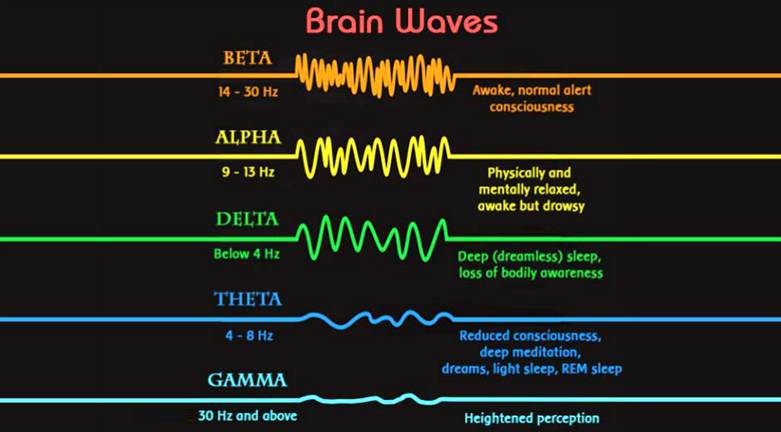
Brain waves are electrical impulses that flow through the brain, creating patterns of activity. They are measured in cycles per second, or hertz (Hz). There are four main types of brain waves: alpha, beta, delta, and theta.
Each type of brain wave is associated with a different state of consciousness. Beta waves, for example, are associated with wakefulness and alertness, while delta waves are associated with deep sleep.
Here’s a breakdown of the different types of brain waves and their associated frequencies:
Beta Waves (12-30 Hz)
– These brain waves are associated with alertness and wakefulness. They are most commonly observed in the frontal lobe of the brain.
Alpha Waves (8-12 Hz)
– These brain waves are associated with relaxation and calmness. They are most commonly observed in the occipital lobe of the brain.
Theta Waves (4-8 Hz)
– These brain waves are associated with meditation, creativity, and dreaming. They are most commonly observed in the temporal lobe of the brain.
Delta Waves (0.5-4 Hz)
– These brain waves are associated with deep sleep and unconsciousness. They are most commonly observed in the parietal and frontal lobes of the brain.
Gamma Waves 30-90Hz
Generation of gamma oscillations
Neural oscillations are rhythmic fluctuations generated by the activity of local neuron populations or neuron assemblies across brain areas and can be detected by local field potential (LFP), electrocorticography (ECoG), electroencephalography (EEG), and magnetoencephalography (MEG) at frequencies including delta (1-4 Hz), theta (4–8 Hz), alpha (8–12 Hz), beta (15–30 Hz), gamma (30–90 Hz) and high gamma(>50 Hz; Mathalon and Sohal, 2015; Cole and Voytek, 2017). They govern the timing of neuronal spikes at the microscale, and at the macroscale, they coordinate the dispersed cortical communication to enable temporal and spatial brain connectivity (Zhang et al., 2018). According to Pascal Fries’s hypothesis of “communication through coherence (CTC),” effective synaptic communication is dependent on the coordination between presynaptic and postsynaptic groups (Fries, 2015). Gamma oscillations, characterized as a rapid rhythm, allow excitation in the network to temporarily escape from the following inhibition, so enhancing the effectiveness, precision and selectivity of communication between multiple regions (Tiesinga et al., 2004). Electrophysiological data from macaques showed that virtually induced gamma synchronization between primary visual cortex (V1) and higher visual cortex (V4) facilitated sensory transmission to motor responses and shortened their reaction time, hence supporting the CTC hypothesis (Rohenkohl et al., 2018).
From The role of gamma oscillations in central nervous system diseases: Mechanism and treatment
It is possible to externally adjust the rate of brainwaves through the process of entrainment. According to Gruzelier4, prolonged audio stimuli in repetitive and synchronized manner may induce changes in brain waves patterns and, consequently, may modulate neurophysiological and behavioral responses. More specifically, repetitive external or environmental stimuli may temporarily affect the predominance of specific brain wave frequencies, a phenomenon namely brainwave entrainment (BWE)5–7. Therefore, BWE can be defined as rhythmic synchronization of brainwave oscillation with an external repetitive stimulus.
BWE is a recurrent phenomenon in nature and biologically present in living beings8. The principle of entrainment or harmonization was discovered around 1665, by the Dutch scientist Christian Huygens9. The synchronization obtained through the entrainment principle is the result of the harmonization principle, a physical phenomenon that occurs systematically in nature, and that is dependent on environmental stimuli, for example, visual, auditory, or tactile. These stimuli may be used to elicit synchronized brainwave patterns to match that of different mental states and/or levels of consciousness, as seen with data acquisition techniques, such as the electroencephalography (EEG). In this context, Oster10 stated the possibility to improve, amplify or modulate brain wave patterns to conditioned events in the cerebral cortex3,11. The proposed therapeutic benefits have a wide scope, including the improvement of cerebral blood flow, neuroplasticity stimulation, and neurophysiological compensations between the cerebral hemispheres3.
It is also possible to control brainwave entrainment through harmonics of surrounding electrical fields. Clinical research indicates that somewhere between 25% and 75% of human and animal subjects may exhibit marked psychophysiological sensitivity to extremely low frequency (ELF) magnetic and electric fields.
Brain-wave entrainment can be demonstrated electroencephalographically when subjects are in the vicinity of oscillations in the frequency range of approximately 3–20 Hz at intensities below 100 nT (nanoteslas). (1 T = 104 G.)
ELF fields of 6.67 Hz, 6.26 Hz and lower tend to produce symptoms of confusion, anxiety, depression, tension, fear, mild nausea and headaches, cholinergia, arthritis-like aches, insomnia, extended reaction times, hemispheric EEC desynchronization, and many other vegetative disturbances. H and B field (magnetic vector) oscillations of 7.8, 8.0, and 9.0 Hz produce anxiety-relieving and stress-reducing effects that mimic some meditative states. It has been speculated that frequencies in this range may be the universally permeating
“clock frequencies” or carriers on which “mind” or “consciousness” states can be impressed and in which they may interact with other life-forms in the nebulous realms of ESP, psychotronics, distant healing, radiesthesia, and related paranormal but anecdotal phenomena.
Frequency of US Power grid
Short answer: The range is usually held within ±0.5%, so its from 59.7Hz to 60.3Hz for a 60Hz grid.
Long answer: Frequency is regulated tightly because it’s how the overall load in the grid is controlled. If there’s a runaway to lower frequencies, that usually means there is a short-circuit near a major power station or hub. So that will drop out soon. Then there usually is a runaway to higher frequencies because of the dropped load. So things escalate very quickly if the grid has many gigawatts power stations. And you don’t want that.
In weak grids on the contrary, the frequency may swing much more. Eastern European countries typically allowed 47Hz to 53Hz. That’s acceptable if there’s only a few power stations and a few big consumers. The same for emergency generators and isolated grids on islands.
What limits the frequency downwards is power conversion in transformers and AC motors. The lower the frequency is, the lower the primary voltage needs to be not to overexcite the iron parts by the magnetic fields. So a substantial frequency drop has to be accompanied by a voltage drop too, and that’s what is done in weak grids to allow lower frequencies.
Gamma waves above 50 are generated within very small regions of the brain associated with concentration of sensory awareness on external objects typically in visual centers, though strangely in olfactory centers for hedgehogs. Lower Gamma in the 20-40hz range may have a positive effect on concentration in alzheimer’s patients, but at what detriment to the neurologically necessary relaxation periods of lower brainwave frequencies. And specifically their interference in inducing states of meditation associated with lower frequencies like alpha and delta waves. The field of 60hz surrounds us with many people these days trying to protect themselves from EMF but how large is the em field and how far does it travel? Power lines differ in radiation emissions.
For street pole power lines with 33 kV, the strongest ones produce around 0.5 milligauss at a distance of 25 meters.
The lines with high voltage transmission lines of 400 kV create less than 0.5 milligauss at a 200-meter range.
The real estate industry would have you believe in these safety numbers What Is A Safe Distance to Live from Power Lines?
One of the most conflicting issues is measuring the safe distance from powerlines. It is still a highly controversial issue and depends on various facts. Another thing is the EMF effects depend on the distance of your house. So that after finding all the conflicting researches here is the safe distance guide-(About electromagnetic fields, 2020)(DC EMI EXPLAINED, 2020)
For 133 kV Power lines you have to maintain 100 feet distance.
For 230 kV Power lines you have to maintain 150 feet distance.
For 345 kV Power lines you have to maintain 250 feet distance.
For 550 kV Power lines you have to maintain 350 f feet distance.
After 500 feet it’s unable to measure the EMF effect with power lines. That is the EMF power lines safe distance. However, it’s still a question that will you feel risk-free to live in such an area?
But the entirety of the structures you are spending most of your time in are cycling the same HZ at 130 and 240 volts, so what is the safety distance from the wiring in your own home? This research is discouraged for obvious reasons lest we all go back to burning whale oil lamps at night. But despite all the technological miracle we’ve been living for the last 100 years with indoor wiring, it cannot help but have produced a change in our attention spans and externalized the focus of our attention to primarily visual stimuli.
Briefing Document: EMF Effects and Brain Activity
I. Electromagnetic Fields (EMF) and Measurement Considerations
Source: InspectAPedia article on EMF measurement distance.
Main Theme: This source focuses on practical considerations for measuring EMFs, particularly the importance of distance from the source.
II. 60 Hz Magnetic Fields and Brain Activation
Source: “Effects of a 60 Hz Magnetic Field Exposure Up to 3000 μT on Human Brain Activation as Measured by Functional Magnetic Resonance Imaging – PMC” (Legros et al., 2015).
Main Themes:fMRI Detects MF-Induced Changes: The study demonstrates the feasibility of using fMRI to detect subtle changes in brain activation patterns after exposure to 60 Hz magnetic fields.
“These results illustrate the potential of using fMRI to identify MF-induced changes in functional brain activation, suggesting that a one-hour 60 Hz, 3000 μT MF exposure can modulate activity in specific brain regions after the end of the exposure period (i.e., residual effects).”
Specific Brain Region Modulation: Exposure to a 60 Hz, 3000 μT magnetic field for one hour can modulate activity in specific brain regions.
No Impact on Task Performance: Despite changes in brain activation, the study found no significant impact on the performance of finger-tapping or mental rotation tasks.
“It should be noted that, despite the modulation in neuroprocessing presented in this paper, the 60 Hz MF exposure did not impact speed or accuracy of the tasks, and therefore did not have any physical behavioural impact.”
Cortical Excitability: The study suggests that MF exposure may modulate cortical excitability, possibly via changes in synaptic plasticity.
“We discuss the possibility that MF exposure at 60 Hz, 3000 μT may be capable of modulating cortical excitability via a modulation of synaptic plasticity processes.”
Methodology:Participants performed finger-tapping and mental rotation tasks before and after a one-hour exposure to a 60 Hz, 3000 μT MF. Control groups were used.
fMRI was used to measure brain activation patterns, focusing on Blood Oxygen Level Dependant (BOLD) signals.
The magnetic field was generated using the MRI’s Z-gradient coil.
Confounds:The study acknowledges that MRI scanners use various electromagnetic fields, which could potentially confound results. However, the consistent use of imaging sequences in both control and experimental groups helps to isolate the effects of the 60 Hz MF.
The researchers took steps to measure and account for electric fields induced by the 60 Hz MF exposure in comparison to those induced by the fMRI BOLD sequence.
Key Findings:Significant differences were found in task-dependent brain areas after MF exposure.
Subjects could not consciously detect the presence of the 60 Hz MF.
The study demonstrates that fMRI is a valuable tool for imaging the effects of ELF MF on human neurophysiology.
It’s important to restate that despite modulation in neuroprocessing as measured by fMRI there was no impact on speed or accuracy of the cognitive tasks.
Figures Referenced:Fig 6. Pre-exposure finger tapping averaged activation map of the contralateral motor cortex regions (top row) and the ipsilateral cerebellum (bottom row) for 20 participants for the full study at 3000 μT.
Fig 11. Activation in the right occipital cortex during the mental rotation task. Top) Pre-exposure (N = 21); Middle) Post- minus pre- exposure in the control group (N = 11); Bottom) Post- minus pre- exposure in the 60 Hz MF exposure group (N = 10).
Fig 12. Measured rate of change (dB/dt) during 60Hz MF exposure and BOLD sequences.
Fig 13. Power spectrum of magnetic field induction during 60 Hz and BOLD sequences.
III. Brain Waves and Electrical Activity
Source: “Pasted Text”
Main Themes:Types of Brain Waves: Introduction to alpha, beta, delta, theta, and gamma brain waves, with their associated frequencies and states of consciousness.
Electrical Grid Stimulus: Mentions the potential impact of the electrical grid (60 Hz) on the nervous system.
Paranormal Phenomena: Alludes to speculative connections between ELF fields, consciousness, and paranormal phenomena.
Power Grid Range: States that the US power grid operates within a range of 59.7 Hz to 60.3 Hz.
IV. Gamma Rhythms and Brain Health
Source: “The gamma rhythm as a guardian of brain health – PMC” (Ichim et al., 2024).
Main Themes:Gamma Oscillations: Review of gamma oscillations (30-150 Hz) and their possible roles in perception, cognition, and behavior. Acknowledges that a definitive answer regarding their causal implication in perception, cognition, and behavior still lies ahead.
“Gamma oscillations in brain activity (30–150 Hz) have been studied for over 80 years. Although in the past three decades significant progress has been made to try to understand their functional role, a definitive answer regarding their causal implication in perception, cognition, and behavior still lies ahead of us.”
Gamma Entrainment using Sensory Stimulation (GENUS): Exploration of GENUS as a therapeutic approach for neuropsychiatric diseases.
GAMER Hypothesis: Proposal that endogenous gamma oscillations are essential for maintaining healthy circuit function, particularly in vasomotor control and neurometabolic processes. This is proposed as an extension of GENUS.
“Going beyond the functional and therapeutic role of gamma, we propose a third pillar of exploration, where gamma, generated endogenously by cortical circuits, is essential for maintenance of healthy circuit function.”
“According to this hypothesis, which we call GAMER (GAmma MEdiated ciRcuit maintenance), gamma oscillations act as a ‘servicing’ rhythm that enables efficient translation of neural activity into vascular responses that are essential for optimal neurometabolic processes.”
Types of Gamma Oscillations: Discusses evoked, induced, and spontaneous gamma oscillations, emphasizing the importance of endogenous gamma.
“In the context of this review, we will call every type of gamma oscillation that is not entrained as ‘endogenous’.”
Methodological Considerations: Highlights the challenges in detecting and characterizing gamma bursts and the need for advanced time-frequency analysis techniques.
“To correctly assess the expression of gamma in a certain analysis window, it is critical to avoid relying on the PSD and to use TFRs. However, the latter are also posing significant challenges.”
Interneurons and Vasoactive Regulation: Focuses on the role of interneurons (PV, VIP, SST, NOS) in generating and propagating gamma oscillations and their vasoactive properties, impacting blood flow and tissue oxygenation.
Criticisms and Caveats: Addresses criticisms regarding the functional role of gamma oscillations, such as their low and inconsistent power and dependence on stimulus features.
“Skeptics on the functional role of gamma mainly focus on the hypothesis of binding by synchrony (Singer, 1999), CTC (Fries, 2005), or PC (Fries et al., 2007) and anchor their arguments in three major directions (Ray and Maunsell, 2015): low and inconsistent power, dependence on low-level stimulus features, and phase disruption due to conduction delays and broad-band contamination.”
FAQ on Electromagnetic Fields (EMF) and Brain Activity
What are extremely low-frequency (ELF) magnetic fields (MF) and why is research focused on 60 Hz frequencies?
ELF magnetic fields are time-varying magnetic fields with frequencies below 300 Hz. Power-line frequencies, specifically 60 Hz in North America, are of particular interest because of their widespread presence in the environment due to electrical grids and appliances. Research investigates whether these fields affect the human nervous system, cognitive processes, and motor functions.
Can exposure to 60 Hz magnetic fields affect human brain activity, and if so, how is this being studied?
Yes, research suggests that exposure to 60 Hz magnetic fields can modulate human brain activity. Studies use functional Magnetic Resonance Imaging (fMRI) to observe changes in brain activation patterns during motor and cognitive tasks before and after MF exposure. fMRI measures brain activity by detecting changes associated with blood flow (Blood Oxygen Level Dependent or BOLD).
What are the key findings regarding the impact of 60 Hz MF exposure on brain function revealed by fMRI studies?
fMRI studies have demonstrated that exposure to 60 Hz magnetic fields can lead to significant changes in task-induced functional brain activation. These changes have been observed during tasks such as finger tapping (motor) and mental rotation (cognitive). The research suggests that 60 Hz MF exposure can modulate activity in specific brain regions even after the exposure period ends, indicating a residual effect.
What is “Gamma Entrainment Using Sensory Stimuli (GENUS)” and how does it relate to brain health?
GENUS refers to the use of sensory stimuli (e.g., light, sound) to entrain, or synchronize, brain activity to the gamma frequency range (typically 30-150 Hz). Emerging research suggests that GENUS may have a therapeutic role, potentially improving cognitive function and offering neuroprotection, particularly in conditions like Alzheimer’s disease. However, the reproducibility and mechanisms underlying these effects are still under investigation.
What is the GAMER hypothesis and how does it differ from GENUS?
GAMER (GAmma MEdiated ciRcuit maintenance) proposes that endogenous gamma oscillations, generated naturally within brain circuits, are essential for maintaining healthy circuit function. Unlike GENUS, which relies on external sensory stimulation to entrain gamma, GAMER focuses on the role of internally generated gamma in processes like vasomotor control (regulation of blood vessel activity) and neurometabolic homeostasis. It suggests that disruptions in endogenous gamma may contribute to neurodegeneration and circuit dysfunction.
How do different types of interneurons contribute to gamma oscillations and brain health, according to the GAMER hypothesis?
The GAMER hypothesis emphasizes the role of specific interneuron types, including those expressing parvalbumin (PV), vasointestinal peptide (VIP), somatostatin (SST), and nitric oxide synthase (NOS), in generating and propagating gamma oscillations. These interneurons also possess vasoactive properties, meaning they can influence blood flow and oxygenation in the brain. Their coordinated activity during gamma oscillations is believed to be crucial for regulating blood flow and maintaining optimal neurometabolic processes. VIP+ interneurons promote vasodilation, SST+ interneurons promote vasoconstriction, and NOS+ interneurons may feature both, providing the basis for coordinated effects on blood flow.
What are the different types of brainwaves and how do they relate to states of consciousness?
Brainwaves are electrical impulses in the brain measured in cycles per second (Hertz, Hz). The main types are:
Beta (12-30 Hz): Alertness and wakefulness, common in the frontal lobe.
Alpha (8-12 Hz): Relaxation and calmness, observed in the occipital lobe.
Delta (0.5-4 Hz): Deep sleep and unconsciousness, parietal and frontal lobes.
Gamma (30-90Hz): controls connectivity between different brain regions, which is crucial for perception, movement, memory, and emotion.
What challenges exist in studying gamma oscillations, and what techniques are being developed to address them?
Gamma oscillations often occur as brief bursts localized in time and frequency, making them difficult to detect and characterize using traditional analysis techniques like Fourier transforms. Time-frequency representations (TFRs), such as spectrograms and scalograms, are more effective at revealing gamma bursts. Advanced techniques like matching pursuit (MP) and superlets are being developed to improve the detection and localization of gamma bursts in complex neural signals. It is very important to avoid relying on the PSD, power spectral density, and use TFRs.
Electromagnetic Fields & Brain Activity: A Study Guide
I. Key Concepts & Review
This section provides a framework for understanding the core concepts discussed in the provided texts.
A. Electromagnetic Fields (EMF)
Definition: Understand what constitutes an electromagnetic field, its components (electric and magnetic fields), and how they are measured.
Sources: Identify common sources of EMF in the environment, including power lines, electrical appliances, and medical equipment like MRI machines.
Frequency: Understand the concept of frequency in the context of EMF (Hertz – Hz) and the distinction between extremely low frequency (ELF) and other frequency ranges.
Intensity/Magnitude: Understand how the strength or magnitude of an EMF is quantified (e.g., microteslas – μT).
B. Brain Waves & Neural Oscillations
Types: Know the main types of brain waves (alpha, beta, delta, theta, gamma) and their associated frequency ranges and states of consciousness.
Gamma Oscillations: Focus on gamma oscillations (30-150 Hz), their proposed roles in cognitive processes, and the mechanisms behind their generation.
Neural Synchrony: Grasp the concept of neural synchrony and its importance in brain function, particularly in the context of gamma oscillations.
Evoked, Induced and Spontaneous oscillations: Understand the differences between these types of oscillations and how each is generated.
Time-Frequency Representations (TFRs): Understanding the importance of TFRs over Power Spectral Density (PSD) when analyzing signals.
C. Functional Magnetic Resonance Imaging (fMRI)
Principles: Understand the basic principles of fMRI, including the BOLD (Blood Oxygen Level Dependent) signal and how it reflects brain activity.
Applications: Know how fMRI is used to study brain function and map brain activity during cognitive and motor tasks.
Limitations: Be aware of the limitations of fMRI, such as potential confounds from the MRI’s own electromagnetic fields.
Regions of Interest (ROI): Being able to use the Talairach coordinates for finding relevant activity on a brain scan.
D. Effects of EMF on the Brain
Modulation of Brain Activity: Understand how EMF exposure can potentially modulate brain activity, including cortical excitability and synaptic plasticity.
Cognitive and Motor Function: Know how EMF exposure might affect cognitive functions like mental rotation and motor functions like finger tapping.
Mechanisms: Explore potential mechanisms by which EMF interacts with brain tissue, including modulation of neuronal firing patterns.
Gamma Entrainment using Sensory Stimulation (GENUS): Understand how GENUS applies to a potential therapeutic application.
E. Interneurons
Types and Function: Understand the various types of interneurons (PV+, VIP+, SST+, NOS+) and their roles in brain function, particularly in relation to gamma oscillations and vasoactive regulation.
GAMER Hypothesis: Learn the GAMER (GAmma MEdiated ciRcuit maintenance) hypothesis and the role of interneurons in maintaining healthy brain function.
F. Methodological Considerations
Measurement Techniques: Consider the challenges of accurately measuring EMF and its effects on biological systems.
Control Groups: Understand the importance of control groups in EMF studies to account for placebo effects and other confounding factors.
Statistical Analysis: Be familiar with the statistical methods used to analyze fMRI data and assess the significance of observed effects.
G. Therapeutic Interventions
Deep Brain Stimulation (DBS): Understanding the implications of DBS for treatment.
Transcranial Alternating Current Stimulation (tACS): Understanding the implications of tACS for treatment.
V. Glossary of Key Terms
Electromagnetic Field (EMF): A field of energy consisting of electric and magnetic components.
Frequency: The number of cycles per second of a wave, measured in Hertz (Hz).
Extremely Low Frequency (ELF): EMF with frequencies below 300 Hz.
Microtesla (μT): A unit of measurement for magnetic field strength.
Brain Waves: Electrical impulses in the brain that create patterns of activity, classified into types like alpha, beta, delta, theta, and gamma.
Gamma Oscillations: Rhythmic brain waves with frequencies between 30-150 Hz, associated with cognitive functions.
Neural Synchrony: The coordinated activity of groups of neurons firing together.
Functional Magnetic Resonance Imaging (fMRI): A neuroimaging technique that measures brain activity by detecting changes associated with blood flow.
BOLD Signal: Blood Oxygen Level Dependent signal, a measure used in fMRI to assess brain activity.
Synaptic Plasticity: The ability of synapses to strengthen or weaken over time, underlying learning and memory.
Cortical Excitability: The responsiveness of the cerebral cortex to stimulation.
Finger Tapping Task: A motor task used to assess motor function and map brain activity.
Mental Rotation Task: A cognitive task used to assess spatial reasoning and map brain activity.
Region of Interest (ROI): A specific area of the brain that is analyzed in neuroimaging studies.
Interneurons: Neurons that connect other neurons in the brain and spinal cord.
PV+ (Parvalbumin-positive) Interneurons: A type of interneuron involved in generating gamma oscillations.
VIP+ (Vasoactive Intestinal Peptide-positive) Interneurons: A type of interneuron that inhibits other interneurons and promotes vasodilation.
SST+ (Somatostatin-positive) Interneurons: A type of interneuron that inhibits other neurons and promotes vasoconstriction.
NOS+ (Nitric Oxide Synthase-positive) Interneurons: A type of interneuron that can have both vasodilatory and vasoconstrictive effects.
GAMER Hypothesis: GAmma MEdiated ciRcuit maintenance, a hypothesis proposing that endogenous gamma oscillations maintain healthy brain function.
GENUS: Gamma Entrainment using Sensory Stimulation.
Deep Brain Stimulation (DBS): A therapeutic intervention that involves implanting electrodes in the brain to deliver electrical stimulation.
Transcranial Alternating Current Stimulation (tACS): A non-invasive brain stimulation technique that delivers alternating current to the brain through electrodes on the scalp.
Time-Frequency Representations (TFRs): A visual representation of how the frequency content of a signal changes over time.
Power Spectral Density (PSD): A measure of the power of a signal as a function of frequency.
Evoked Oscillations: Oscillations that occur always at a precise phase relative to the stimulus timing, in each recorded trial.
Induced Oscillations: Oscillations that are generated by internal circuit mechanisms when the stimulus is either aperiodic or has a significantly lower frequency.
Spontaneous Oscillations: Oscillations that are produced in the absence of any external stimulus during ongoing, ‘spontaneous’ brain activity.
You may notice that some of the deeper mystical and magical content of the site has now been moved behind a paywall. I can no longer solely bear the cost of your mystical education myself and am in need of support of the sites and the newly formed Kemetic Church of Ra. The items paywalled, can only be understood by those with a mystical practice anyway or some degree of initiation. For now, the library which contains many more initiated secrets will remain free temporarily while those that recognize there is a time limit for that generosity should not be surprised when that gets paywalled as well. If you’d like to keep resources like these available you must contribute and I can no longer tolerate the entire burden of the free rider problem myself. If this content is worth something to you, you can sign up here.
Briefing Document: Power, Language, and Manipulation
I. The Corruption of Language: Doublespeak & Newspeak
Core Concept: Language, the fundamental tool for communication and understanding, can be deliberately distorted to deceive, manipulate, and control. This manipulation, termed “doublespeak,” obfuscates truth, and “newspeak,” a tool of totalitarian states, is designed to eliminate independent thought.
Doublespeak Defined: William Lutz defines doublespeak as language that “pretends to communicate but really doesn’t… [it] makes the bad seem good, the negative appear positive, the unpleasant appear attractive or at least tolerable.” It’s characterized by:
Euphemisms: Replacing harsh words with vague, mild ones to soften reality. (e.g., “revenue enhancement” for tax increase). “When someone dies we may say that they passed away to spare ourselves or another from the harsh reality of death.” The video notes that euphemisms are “worse with every generation.”
Jargon: Specialized language used to appear profound and authoritative rather than to actually express meaning. “It’s produced by the modal interaction of Magneto reluctance and capacitive dirance.”
Gobbledygook: Overwhelming with complex, confusing language to obscure the message and stifle critical thinking. (e.g., “In alignment with our strategic operational objectives, we are initiating a paradigm shift in our financial allocation protocols to optimize resource utilization and enhance fiscal prudence across all verticals” translates to “we are cutting costs.”).
Inflated Language: Making ordinary things seem extraordinary. (e.g., a janitor becomes a “sanitation engineer”). “Inflated language masks the Simplicity of the job creating an illusion of complexity and significance that may not truly exist.”
Incongruity: A core element of doublespeak is the “incongruity between what is said or left unsaid and what really is. It is the incongruity between the word and the referent between seem and be.”
Consequences of Doublespeak: This leads to:
Apathy and acceptance of deceptive language: “many people sometimes slip into the habit of using it without realizing what they are doing or they will excuse politicians for using it because that’s just what politicians do.”
Erosion of language’s function: “…it can corrupt and ultimately destroy the primary function of language which is to facilitate communication between people and social groups.”
The normalization of lies and misrepresentations: “we might start believing that politicians don’t lie but merely misspeak, that illegal acts are simply inappropriate actions, and that fraud and criminal conspiracy are just miscertifications.”
Newspeak: In George Orwell’s 1984, Newspeak is a language designed to “make only correct thought possible while making other modes of thought impossible.” It aims to control thought by limiting the capacity for complex expression.
Connection to Reality: As William Lutz said: “if we really believe that we understand such language and that such language communicates and promotes clear thought, then the world of 1984 with its control of reality through language is upon us.”
II. Reframing Reality and Manipulating Perception
Core Concept: Reality is not objective but is shaped by our perceptions, beliefs, and the information we receive. Skilled manipulators use “reframing” techniques to alter our understanding of events and influence our emotional responses.
Reframing Defined: In neurolinguistic programming, reframing is “a powerful tool used to transform an individual’s understanding and emotional response to their experiences. Reframing involves altering the meaning assigned to a specific event or situation thereby changing the individual’s emotional response and behavior.”
Manipulation via Reframing: Leaders can “justify an unpopular war by reframing the conflict as a defense of freedom” turning a “destructive and aggressive act” into a “noble and essential endeavor.”
Brain’s Role in Constructing Reality: Neuroscientist Patrick Kavanaugh states, “we’re not seeing reality we’re seeing a story that’s being created for us.” The brain can create realities (the placebo effect) based on the information it receives. This makes manipulation possible.
Orwellian Connection: As Orwell said, manipulators can “make lies sound truthful and murder respectable” by controlling the narrative.
III. Language as a Tool of Power
Orwell’s Insight: In “Politics and the English Language,” Orwell wrote that when there is a disconnect between one’s real and declared aims, people “instinctively turn to long words and exhausted idioms like a cuttlefish squirting out ink.” “Political language is designed to make lies sound truthful and murder respectable and to give an appearance of solidarity to Pure wind”
Political Speech: Political language relies heavily on “euphemism, question-begging, and sheer cloudy vagueness” to obscure truth and maintain control. “political language has to consist largely of euphemism, question-begging and sheer cloudy vagueness.”
Ubiquity of Doublespeak: It’s “present everywhere you turn,” with examples in government and corporate settings.
Power Dynamics: Those in power use language to control how people see the world and “the party has taken control of language and has taken it away from the individual.”
Doublethink: The act of holding two opposing ideas in the mind and believing both. “To know and not to know, to be conscious of complete truthfulness while telling carefully constructed lies.” This is enabled by Newspeak’s structure.
IV. Espionage & Intelligence: A Historical Perspective
Core Concept: Spying is “the stealing of secrets.” Motivations include money, ideology, coercion, and ego. The methods have evolved drastically over time.
Historical Roots: Spying has existed since ancient times:
Egyptians used spies and assassins and developed early forms of encryption and invisible ink.
The Romans employed “a full spectrum of intelligence techniques” to maintain their empire.
Sun Tzu emphasized the importance of “knowing the enemy” in his book The Art of War.
The Mongols “relied heavily on Espionage” during their 13th and 14th century conquests.
Medieval & Renaissance Spying: The Church used informants to weed out heretics. Venice developed a formal intelligence structure. England’s Francis Walsingham had a network of intelligences across Europe.
Modern Espionage:George Washington established a successful intelligence system during the American Revolution.
Napoleon used secret agents in his dealings with Russia.
Industrial espionage became rampant.
The telegraph revolutionized communication and cryptography became crucial.
World War I spurred modern signals intelligence, codebreaking, and the Zimmerman Telegram that brought the US into the war.
World War II: Breaking the German Enigma code was crucial to the Allied victory. The Special Operations Executive (SOE) trained agents for sabotage and intelligence gathering. Operation Mincemeat misdirected the Axis Powers. Soviet spies infiltrated the Manhattan Project.
Cold War Spying:Saw the rise of complex agencies like the CIA, NSA, FBI, KGB, and GRU.
Characterized by technological advancements, dead drops, and microdots.
The “pneumonic mice” (money, ideology, coercion, and ego) are the prime factors in why people would spy.
Berlin was a major battleground.
Moles and double agents crossed the lines.
The Cuban Missile Crisis was averted due to espionage.
The space race became a celestial theater for espionage.
Popular culture was influenced by the notion of super spies like James Bond.
New spy gadgets proliferated including a subminiature camera designed by Walter Zapp.
Contemporary Espionage:Cyber warfare is a new primary sparring ground.
The USA Patriot Act granted sweeping surveillance powers.
Leaks by figures such as Edward Snowden have reshaped the intelligence landscape.
Hacking has become “the primary sparring ground.”
AI and machine learning may represent the next frontier in espionage.
V. MK Ultra: CIA Experiments in Mind Control
Core Concept: The CIA’s MK Ultra program involved numerous subprojects exploring mind control and behavior modification using drugs, hypnosis, and other techniques. It is noted that CIA documents are written in a very “circumspect manner,” requiring “translation” into plain language.
Examples of MK Ultra Projects:Testing LSD on witting and unwitting subjects.
Operation Midnight Climax: Administering LSD to unwitting clients in brothels with one-way mirrors.
Researching hypnosis and creating psychological profiles of people to determine who is easiest to hypnotize.
Developing poisons.
Testing the effects of various drugs like chlorpromazine, merron, Serpentine, and bulbocapnine.
Various experiments on human subjects, including “mind-breaking” electroshock therapy.
Remote-controlled animals for assassinations (dogs, rats, donkeys).
Inventing the “sneeze gun.”
Experiments on prisoners, the mentally ill, and others.
Studies on “extra sensory perception, subliminal perception, hypnosis, and magic.”
Studying “African witch doctors.”
Experiments to determine if “fat people are nicer or meaner.”
Overall Pattern: These experiments involved the use of “various psychoactive substances” to modify behavior often without the subjects’ informed consent. The program includes multiple “petty cash funds” for unaccountable activities. The program’s goals are described using vague language.
VI. Oligarchy: Rule by the Wealthy Few
Aristotle’s Analysis: Aristotle identified oligarchy as a “perverted form” of government where the wealthy few rule for their own benefit rather than the common good.
True Forms vs. Perverted Forms:True Forms: Monarchy (rule by a virtuous leader), Aristocracy (rule by the best), Polity (constitutional government mixing elements of democracy and oligarchy).
Perverted Forms: Tyranny (corrupt monarchy), Democracy (rule by the masses without limits), and Oligarchy.
Oligarchy vs Aristocracy: Aristocracy is ruled by the “aristos” – the best, most capable leaders. In oligarchy, the focus shifts to “who has the most money or property.”
Gaining and Maintaining Power: Oligarchs use their wealth to shape the political system through laws and policies that favor them and make running for office too expensive for most people.
Characteristics of Oligarchies:Laws favor the wealthy and protect their monopolies.
Power is concentrated in the hands of a few with “unchecked power.”
The public good is disregarded in favor of self-interest.
Distrust of the general population leading to disarmament and the hiring of mercenaries.
The wealthy control all government institutions.
Merit is less important than wealth.
Alliances between elites.
A decline in public virtue.
“state power to keep class distinctions in place.”
Signs of Oligarchic Tendencies:Laws that benefit the wealthy.
Economic policies that increase wealth concentration.
Limited access to political office.
Unequal access to lawmakers and regulators.
A “revolving door” between government and the private sector.
Limited social mobility.
Instability of Oligarchies:Vulnerable to revolt, particularly from popular unrest and populist leaders.
Often replaced by another “perverted form of government.”
Internal conflicts within the oligarchy over power.
The children of oligarchs are seen as “degenerate and weak,” while the poor are “hardened by their difficult circumstances,” making the former susceptible to revolt.
Modern Relevance: Aristotle’s insights can apply to contemporary societies where patterns of wealth and power concentration might indicate oligarchic tendencies.
VII. Conclusion
The provided sources highlight how power is wielded through various means – language, deception, manipulation, and control of institutions. They underscore the importance of critical thinking and awareness of the ways in which those in power can shape our perceptions and realities. The analysis of language and power within both historical and contemporary contexts serves as a warning and a call to action. The lessons of MKUltra and the analysis of Aristotle’s warnings concerning oligarchy further reinforce the critical need to remain vigilant against those who seek to control society through deception and manipulation.
FAQ on Language Manipulation, Covert Operations, and Oligarchic Tendencies
What is doublespeak, and how does it differ from doublethink?
Doublespeak is a form of language that pretends to communicate but is designed to mislead, confuse, or distort reality. It often makes negative things sound positive or acceptable, and it avoids taking responsibility. It’s not about grammatical errors but about a disconnect between the words used and the true facts or intentions. Doublethink, on the other hand, is the ability to hold two contradictory beliefs simultaneously and accept them both as true, often a result of indoctrination. Doublespeak is the language itself, while doublethink is the mental state.
What are the main types of doublespeak, and can you provide examples of each?
William Lutz identifies four main types of doublespeak:
Euphemisms: Using mild or vague words to replace harsh ones to mask the unpleasant truth. Example: “revenue enhancement” instead of “tax increase” or “unlawful or arbitrary deprivation of life” instead of “killings.”
Jargon: Using specialized language to impress, obscure meaning, or create an air of expertise. Example: “the modal interaction of magneto reluctance and capacitive dirance” instead of simple mechanical terms or “paradigm shift in our financial allocation protocols” instead of “cutting costs”.
Gobbledygook: Overwhelming the audience with a barrage of complex and often meaningless words to confuse and bewilder. Example: excessively long, complicated sentences and technical terms used to obscure simple concepts.
Inflated Language: Making the ordinary seem extraordinary or more important than it is. Example: calling a janitor a “sanitation engineer” or a “custodial technician”.
How does the concept of reframing relate to doublespeak and manipulation?
Reframing, in the context of neurolinguistic programming, is a technique used to alter an individual’s perception and emotional response to an event by changing its meaning. While reframing can be used for positive personal growth, it is a potent tool for manipulation when used by those in power. By reframing an unpopular war as “a defense of freedom,” for example, political leaders can make it more palatable to the public. This is very similar to the way doublespeak operates to control perceptions. It is used to make lies sound truthful and to justify immoral or unethical behavior.
What were some of the goals and methods of the CIA’s MKUltra project?
MKUltra was a CIA program focused on mind control and behavior modification. Some of its goals and methods included:
Drug experimentation: Testing psychoactive substances like LSD on unwitting subjects to see how they affect the brain and behavior.
Hypnosis: Researching the potential of hypnosis for use in covert operations.
Poison development: Creating poisons and toxins, such as ricin, to use in various scenarios.
Interrogation techniques: Developing harsh interrogation methods, including sleep deprivation, electroshock therapy, and the administration of paralytics and drugs.
Behavioral modification: Studying how to influence or alter behavior through drugs and psychological manipulation.
Covert operations: Developing methods to covertly conduct these operations including creating “slush funds” for activities without clear oversight. The program also included experiments with remote-controlled animals, invisibility techniques, and a “sneeze gun.” The project often involved unethical practices, like testing on prisoners and giving drugs to people without their knowledge or consent. The documentation was often written in a purposefully obscure and vague manner.
What does history teach us about espionage, and what are the primary motivations for spying?
Espionage is an age-old practice that has been used by governments and groups throughout history to steal secrets and conduct covert actions. Ancient civilizations to modern nation-states have employed spies. The motivations for spying often fall into the acronym MICE:
Money: The desire for financial gain.
Ideology: A strong belief in a particular political or economic system.
Coercion: Being blackmailed, threatened, or pressured into spying.
Ego: A desire for power, recognition, or a feeling of importance. The methods of espionage have evolved drastically over time from ancient methods of poisoning and invisible ink to modern cyber warfare.
According to Aristotle, what is oligarchy, and how does it differ from aristocracy?
According to Aristotle, oligarchy is a form of government where power is held by a wealthy few, who prioritize their own self-interests over the common good. Aristocracy, in contrast, is rule by the “best” ( aristos ), referring to those most virtuous, capable, and dedicated to the community. In oligarchy wealth is the basis for power whereas in aristocracy merit, skill, and virtue are what qualify rulers. Oligarchs use their wealth to manipulate systems to maintain their power.
What are some of the characteristics of an oligarchy and the signs that it may be present in a society? According to Aristotle, oligarchies have some common characteristics:
Wealth as a criterion for leadership: Only the wealthy are able to gain positions of power and control.
Self-serving laws: Laws and policies that benefit the wealthy few at the expense of the general population.
Suppression of dissent: Disarming the common people and using force to maintain power.
Control of key sectors: Control of industries, trade routes, and cultural production.
Elite alliances: Strong social and economic connections among the ruling class.
Distrust of the general population: A lack of concern for the welfare of those outside of their ruling circle.
Signs that oligarchy may be present in a society include tax laws that favor the wealthy, economic policies that increase wealth concentration, limited access to political office, undue influence of powerful people on lawmakers, a revolving door between the public and private sector, and a lack of social mobility.
Why did Aristotle consider oligarchies to be inherently unstable?
Aristotle viewed oligarchies as inherently unstable due to several factors:
Internal conflicts: Oligarchs often compete with each other for power, leading to infighting.
Popular revolts: The tension between the rich and the poor creates social unrest. The oppressed majority may eventually revolt when they see their well-being ignored.
Emergence of populist leaders: Leaders who rise by appealing to the discontented masses could upset the oligarchy.
Generational weakness: The children of oligarchs, raised in luxury, may become less capable and may lose the competitive edge to those raised in difficult conditions.
Introduction of new groups: New cultural groups may destabilize existing hierarchies if they do not share common interests and a sense of identity with the established ruling class.
Briefing Document: Analysis of BlackRock, CIA Operations & the Hunt for Bin Laden
Introduction
This document analyzes three distinct sources: a video essay on the financial firm BlackRock, a breakdown of the CIA’s MKUltra program, and a deep dive into CIA operations including the exfiltration of diplomats from Iran, covert actions in Lebanon, and the pursuit and eventual killing of Osama bin Laden. These sources, while seemingly disparate, offer insights into the complexities of power, influence, and the often-hidden mechanisms that shape our world.
Briefing Document: Michael Aquino & Snuff Film Industry
I. Michael Aquino and Mind War
This section focuses on Michael Aquino, his background, and his theory of “Mind War.”
A. Aquino’s Background:
Satanism & the Temple of Set: Aquino was a theistic Satanist who founded the Temple of Set, a break from Anton LaVey’s Church of Satan. Unlike LaVey’s atheistic leanings, Aquino believed Set was a real entity and worshipped him. The Temple of Set is the only international Satanic organization recognized by the US government.
Military Intelligence & PSYOPS: Despite his unconventional religious beliefs, Aquino was a Lieutenant Colonel in the U.S. Army, working in military intelligence and psychological operations (PSYOPS). He was involved in classified projects, but his “Mind War” essay is publicly available.
SS Connections: Aquino owned a ritual dagger that belonged to a General in the SS, and he had visited and performed rituals in Heinrich Himmler’s Wewelsburg Castle. This connection suggests a fascination with the occult and Nazi ideology. “On this altar is one of a number of daggers which we may use in our rituals this one happened to belong to the Commanding General of the most elite unit of Germany’s Infamous SS concerned with black magic and occultism research in general…”
B. The Concept of Mind War:
Critique of Traditional PSYOPS: Aquino argues that traditional PSYOPS is ineffective because it is treated with skepticism by the military and relies on half-truths. He calls for replacing it with “Mind War.”
Definition: “Mind war is the deliberate, aggressive convincing of all participants in a war that we will win that war.” Aquino describes it as a term of “attack and victory,” not “rationalization, coaxing, and conciliation.”
Non-Lethal Warfare: Aquino promotes Mind War as a non-lethal way to achieve victory, claiming it is “non-injurious and non-destructive,” working through convincing arguments. “Essentially you overwhelm your enemy with argument you seize control of all the means by which his government and populists process information to make up their minds and you adjust it so that those minds are made up as you desire. Everyone is happy no one gets hurt or killed and nothing is destroyed.”
Targeting: Mind War should begin before troops reach the battlefield, targeting homes and communities. The article states: “it’s not the military Barracks that the specialists in mine War Target rather their homes and communities.” He asserts that “Mind war must target all participants if it is to be effective”. This includes the American public.
Truth & Moral Superiority: Unlike propaganda, which he sees as half-truths, Aquino believes Mind War relies on “truth and moral superiority” to be convincing. He writes “The Mind Warrior on the other hand must be deeply committed to its cause his conviction that he’s in the right is indispensable to his task. It is this conviction his honesty that will convince the undemocratic forces in other nations that the American way of life is superior”.
The Military Industrial Complex: Aquino criticizes the military-industrial complex as a force that would resist the implementation of Mind War because it does not profit from this strategy. “The only loser in mind War are the war profiteers companies and corporations which grow fat on orders for helicopters tanks guns Munitions Etc”.
Influence on Decision Making: The ultimate goal is to make targets feel as though the decisions that are the result of mind war are actually choices they have made themselves without coercion. “Unlike brainwashing or a traditional propaganda the goal of Mind war is to get the mind to believe its own decisions and to feel that it made those decisions without coercion.”
C. Controversial Elements:
Child Abuse Allegations: Aquino was implicated in allegations of ritualistic child abuse at the Presidio daycare center, although no charges were ever filed against him. A three-and-a-half year old girl was reported as identifying him as the perpetrator.
Electromagnetic Manipulation: Aquino discusses using natural phenomena to create environments where minds are more susceptible to ideas. He suggests manipulating atmospheric electromagnetic activity, air ionization, and extremely low frequency (ELF) waves to influence the target audience. “There are he writes some purely natural conditions under which Minds may become more or less receptive to ideas and mind Wars should take full advantage of such phenomena as atmospheric electromagnetic activity air ionization and extremely low frequency waves”.
ELF Waves: He notes that ELF waves, which can be produced artificially, have a “resonant effect upon the human body [that] has been connected to both physiological disorders and emotional distortion.”
II. The Dark World of the Snuff Film Industry
This section explores the network involved in the production and distribution of snuff films.
A. Key Players and Networks:
Dean Corll: Corll was a serial killer who, along with accomplices Elmer Wayne Henley and David Owen Brooks, was responsible for the murder of many young boys.
Gerald Richards: A teacher, magician, and masseuse who developed the films produced by the network. He testified to the operations of the organization, revealing the existence of various camps and organizations used to facilitate child abuse and produce child exploitation material. Richards was arrested in 1976 and released. He was arrested again in 1988 for possession of chicken pornography, and died in 1998 after committing suicide.
Frank Shelden: Owner of Fox Island, which was part of the production of child abuse material. He fled to the Netherlands.
Dyer Grossman: A prep school teacher and reverend of the “Church of the New Revelation” – which was not a real church, but a business entity used to register the operations of the network under.
Adam Starchild (aka McConahy): A financial fraudster who managed Shelden’s money and was involved in various aspects of the organization.
Roy Ames: A long-term business partner of Guy Strait.
Guy Strait: A chicken photographer and long-term business partner of Roy Ames who helped distribute film reels.
B. Methods and Operations:
Brother Paul’s Children’s Mission: A front organization for the abuse and filming.
Other Operations: There were other related organizations including “Odyssey”, “Troop 137”, and “Father Bud’s Boys Farm”.
Film Production: Most of the films were shot at Father Bud’s using boys from Troop 137 or the Adelphi Academies. These boys would be abused by either paying clients or members of the distribution ring.
Distribution: After being developed, the films were sent to Mail-o-matic in North Carolina, then to F&F Distributors in California, for distribution.
Chicago Connections: The network is revealed to have many connections to Chicago, including mob involvement and connections to a project called “Project Delta”.
C. Mob Involvement:
Vito Mazullo, a Chicago Alderman with mob connections, is mentioned as a possible connection to the distribution network.
D. Aftermath:
Arrests and Trials: Many involved in the network were arrested, including Richards and John Norman.
John Norman: Continued distributing material after his arrest and was later committed to a hospital after he was declared a sexually violent predator.
Destroyed Client List: It was mentioned that stored and collected client lists have been destroyed by the US government.
III. Overlapping Themes:
Abuse of Power: Both sources touch on the abuse of power. In Aquino’s case, it’s a military officer using his expertise to potentially manipulate populations. In the snuff film industry, it’s the exploitation of vulnerable children for profit.
Hidden Agendas: Both sources deal with agendas that are hidden from public view. Aquino’s mind war techniques are intended to be undetectable, and the snuff film network operated behind shell corporations and fake charities.
Dark and Occult Themes: Aquino’s involvement in Satanism, his acquisition of SS artifacts, and his connection to rituals in Himmler’s Castle all play into a dark and occult theme. The child exploitation network described in the second source also has an evil and conspiratorial feel to it.
IV. Conclusion:
These sources paint a disturbing picture of individuals operating in the shadows. Michael Aquino, despite his background in military intelligence, is a controversial figure whose theories on “Mind War” raise significant concerns about manipulation and the potential for abuse. The snuff film industry reveals a depraved and organized network of individuals exploiting and abusing children for profit and possibly other purposes. Both cases expose the potential for misuse of power, hidden agendas, and the dangers of unchecked authority.
This briefing document should provide a solid overview of the key themes and important facts within the source materials provided. Let me know if you need further clarification or analysis.
FAQ: Exploring Controversial Themes in Occultism, Psychological Warfare, and the Underground Exploitation Industry
1. Who is Michael Aquino and what is the Temple of Set?
Michael Aquino was a Lieutenant Colonel in the U.S. Army, specializing in military intelligence and psychological operations. He is also known for founding the Temple of Set, a theistic Satanic organization, after leaving Anton LaVey’s Church of Satan. The Temple of Set worships the Egyptian deity Set, who is considered the adversary of Osiris. Unlike the Church of Satan, which often views Satan as a symbol of independence, Aquino’s Temple of Set involves literal worship of a deity. The Temple of Set is the only international satanic organization fully recognized by the U.S. government.
2. What is “Mind War” as proposed by Michael Aquino, and how does it differ from traditional psychological operations (psyops)?
Aquino proposed “Mind War” as a more aggressive form of psychological warfare. It moves beyond traditional psyops, which he saw as limited and often treated with skepticism by the military. Mind War aims to “convince” all participants in a conflict that “we will win” through a comprehensive strategy that begins long before physical combat, targeting the enemy’s entire society, not just its military. Aquino emphasizes that Mind War relies on truth and moral superiority to achieve its goals rather than half-truths or lies. Unlike traditional psyops, Mind War does not prohibit targeting one’s own citizens. The ultimate goal of mind war is to make the target believe they made their own decisions.
3. How does Aquino suggest using technology and environmental factors in Mind War?
Aquino explores the use of naturally occurring conditions and technological means to influence human susceptibility to ideas. He suggests timing campaigns to align with fluctuations in the Earth’s electromagnetic field caused by sunspot eruptions and gravitational stresses. Aquino also discusses the potential impact of atmospheric ionization, and extremely low-frequency (ELF) waves, and infrasound on human emotional and cognitive states, claiming these can be used to create more suggestible target audiences, making them more open to specific messaging. His theories lean heavily into the idea that the mind’s functioning is influenced by a wide variety of factors.
4. Was Michael Aquino ever implicated in criminal activity?
While never officially charged or convicted, Aquino was implicated in the Presidio daycare center child abuse scandal. Despite accusations, and allegations of a young girl identifying him as a perpetrator, he maintained his innocence. He stated he was assigned to the National Defense University in Washington D.C. during the time the allegations took place. Also, while he was not directly implicated in any crimes, Aquino has also been interviewed about the murder of a man committed by a Satanist Church member where he was the head acolyte.
5. What were some of the main aspects of the underground child exploitation film industry as revealed in the documents?
The documents revealed a deeply disturbing underground industry focused on the production and distribution of child exploitation material. The networks involved included seemingly legitimate operations like “Brother Paul’s Children’s Mission” and other programs like “Father Bud’s Boys Farm”, used as fronts for the abuse and exploitation of young boys. These operations spanned multiple states and often involved wealthy and influential individuals. The structure included abusers, filmmakers, and those responsible for film development, distribution, and mail forwarding.
6. What kind of connections and networks were involved in this exploitation film industry?
The operations were complex, involving various interconnected players. Some key figures and their roles include: Gerald Richards, who was involved in filming and developing exploitation films; Guy Strait, a “chicken photographer” who was a long-term business partner of Roy Ames, a key distributor of the films; and Adam Starchild, who managed finances for several operations and facilitated travel for the boys involved. The documents also implicate the Church of the New Revelation as a front for this activity, alongside entities like “PDM Contractors” and the involvement of mob connected individuals, showing the complex and far reaching nature of the ring.
7. How did the production and distribution of these exploitation materials work?
The process involved several stages. Films were often shot at locations like “Father Bud’s Boys Farm” and other institutions using vulnerable children. The films were then developed by individuals like Gerald Richards and sent to mail-forwarding services to conceal their origins. Finally, they were shipped to distributors like Roy Ames who had ties to multiple business fronts. These distribution networks often involved the transfer of materials across state lines. The existence of these elaborate systems highlights how the industry was structured to avoid detection.
8. What was the ultimate outcome for some of the key individuals involved in the exploitation ring?
Many of the key individuals involved faced legal consequences, though some were able to evade justice for long periods. John Norman was repeatedly arrested for distributing such material, eventually being declared a sexually violent predator. Gerald Richards also was arrested multiple times, struggling with substance abuse issues and taking his own life in 1998. Adam Starchild had his assets frozen and had his money sued for due to theft. Many people in the ring were arrested but many client lists and materials were destroyed by the US government. The long term effects of the ring resulted in numerous arrests and investigations.
Part 1: BlackRock and the “Big Three” Asset Managers
Source: “BlackRock: The Conspiracies You Don’t Know”
Main Themes:
Concentrated Financial Power: BlackRock manages over $10 trillion, an amount exceeding half of the United States’ GDP. This, along with Vanguard and State Street (the “Big Three”), exerts a massive influence on the global economy. These firms hold significant shares in virtually all major corporations, raising concerns about their potential control.
Quote: “I’m standing in front of the headquarters of a company that manages $10.6 trillion. That’s more than half the United States GDP.”
Quote: “They have stock in 95% of fortune 500 companies.”
Passive Investment Myth: Despite claiming to be passive investors, the Big Three wield significant voting power due to the shares they control. This enables them to influence corporate decisions, often aligning with management recommendations, not necessarily in the best interests of the actual people whose money is invested.
Quote: “They claim they’re just passive investors, which seems harmless, right?”
Quote: “A 2017 study found that asset managers almost always voted with what the company executives recommended.”
Universal Ownership: The Big Three’s holdings across nearly all sectors constitute “universal ownership,” creating a system where they have a vested interest in the entire market, potentially reducing competition. They make money on fees as a function of the assets they manage, meaning that maximizing assets under management is more important than maximizing returns.
Quote: “Universal ownership refers to, holding shares in the entire universe, firms listed on the stock market.”
Quote: “The fees you earn if you’re Blackrock increase when the market value of the assets you manage increases.”
Pyramid of Control: The structure of asset management creates a complex, self-owning loop. The Big Three are major shareholders in each other and in other financial firms, effectively creating a financial sector that owns itself.
Quote: “The biggest investors in Blackrock are Vanguard and State Street. And the biggest investors in Vanguard are Blackrock and State Street. And the biggest investors in State Street are, you guessed it, Blackrock and Vanguard.”
Quote: “The financial sector effectively owns itself.”
Influence on Policy & Wages: BlackRock and similar firms exert significant influence on government and international bodies through a “revolving door” of personnel. Their pursuit of maximizing profits can lead to wage stagnation, as corporations squeeze workers to increase shareholder returns.
Quote: “Since 2004, Blackrock has hired at least 84 former government officials, regulators and central bankers worldwide.”
Quote: “Blackrock and other asset managers play a huge part in wage stagnation.”
Legal Loopholes: BlackRock exploits loopholes like self-certifying “passivity” to avoid regulatory oversight.
Quote: “Basically, Blackrock and other asset managers have to submit annual letters to self-certify that they’ve been compliant with the terms of passive investment.”
Quote: “That’s like being allowed to write whatever you want on your taxes and then audit yourself.”
Decline in Household Ownership: Individual households own a smaller share of the stock market compared to the past. The top 10% now hold 86% of corporate equity and mutual fund shares.
Quote: “In 1945, 94% of stocks were owned by households. Today, households have more like 40% of the stock market”
Quote: “Today, the top 1% own 50% of corporate equity and mutual fund shares, while the top 10% own 86%.”
Key Ideas:
The immense power wielded by a few asset management firms raises questions about economic control and its impact on everyday life.
The narrative of “passive investing” masks significant influence over corporate behavior and governmental policy.
The financial system’s self-ownership structure may reinforce existing inequalities and potentially hinder competition.
The system is designed to make fees rather than to generate gains for the people whose money it is in theory managing.
Part 2: CIA Operations – Mind Control, Exfiltration & Targeted Assassination
Sources: “The CIA’s Wildest 1960s Shenanigans,” “The Secret Story Of How The CIA Fooled The World | 3 Hour Marathon”
Main Themes:
MKUltra: Experimentation & Ethics: The MKUltra program involved a wide array of often unethical experiments, including drug testing (particularly with LSD), hypnosis, and psychological manipulation. These experiments were frequently conducted on unknowing subjects and often resulted in harm.
Quote: “realistic field testing of R&D items… in reality… operation midnight climax in which bravel had special rooms constructed with one-way mirrors and then the clients would be unwittingly administered LSD.”
Quote: “testing LSD on witting subjects paid for their time in therapeutic dosage ranges… study of neurophysiological and sociological aspects of LSD on human volunteers.”
Techniques & Tools: MKUltra sought to develop methods for mind control, interrogation, and the creation of poisons. It also explored unconventional tools like magic and remote-controlled animals.
Quote: “sub project number five um Research into the potential of hypnosis”
Quote: “Sub project 94 trying to invent remote controlled dogs also potentially remote control rats and remote control donkeys um these are to be used for assassinations.”
Quote: “sub project 11 making poisons they sure did like to do that”
Operation Argo: Ingenious Exfiltration: The rescue of six American diplomats from Iran involved an elaborate plan to create fake identities as a Canadian film crew, highlighting the CIA’s capacity for creative deception and meticulous planning.
Quote: “Mendes wanted to create a story that was so unbelievable so crazy and over the top that no one would believe that it was fake”
Quote: “he was supported by literally hundreds of people he had disguise Specialists he had graphics people he had document validators how to talk about forgery he had individuals that could talk about clothing what would a Canadian film crew look like”
Covert Action & Assassination: The CIA engaged in covert actions, including targeted assassinations, often with flawed intelligence. The Beirut bombing and the attempted assassination of Fadlala showcase the complexity and dangers of these operations.
Quote: “Casey allegedly sanctions the assassination of the man he believes is responsible for the attacks on Americans… Bill Casey was convinced that fod laala was the force behind his Bala he determined this was a leading terrorist and they were going to get him”
Quote: “It’s the secret story of how the CIA fooled everyone”
Importance of Intelligence: The failure of the Beirut operation led to a recognition of the critical need for reliable intelligence and the creation of the Counterterrorism Center. The CIA would try to rely on its own people on the ground rather than on local contacts.
Quote: “The critical lesson that Casey Learned was that the CIA needed to find ways of getting better Intelligence on its enemies and finding more accurate ways of killing them so a year after the fadala attack Casey sets up a new CIA Department the counterterrorism center.”
Ethical & Moral Dilemmas: These sources highlight the ethical and moral complexities of intelligence operations. The line between national security and the violation of basic human rights becomes blurry. There are costs to these operations, and those costs are sometimes paid by completely innocent people.
Quote: “they did not kill him they killed 80 innocent people and escaped”
The Evolution of Tactics: The CIA shifted from car bombs to the development of drones as a more accurate and effective means of targeted killing.
Quote: “this idea born out of a failure of such tactics as the carbomb would result in the development of Highly sophisticated lethal drones”
Key Ideas:
The CIA has a history of engaging in ethically questionable activities, raising concerns about oversight and accountability.
The agency is capable of highly sophisticated and inventive operations, both in terms of exfiltration and in targeted assassinations.
The effectiveness of CIA operations is often contingent on the quality of intelligence, and flawed intelligence can have catastrophic consequences.
The evolution of the CIA’s tactics and structure reveals an ongoing adaptation to the complexities of modern threats and to failures in the agency’s past.
Part 3: The Hunt for Osama Bin Laden
Source: “The Secret Story Of How The CIA Fooled The World | 3 Hour Marathon”
Main Themes:
Single-Minded Pursuit: The CIA’s pursuit of Bin Laden was a long-term, high-priority mission, driven by a commitment to bringing him to justice after the 9/11 attacks.
Quote: “From the day he came into office in January 2009 he told his National Security team and especially his director of Central Intelligence Leon Panetta your most important responsibility is to find Usama Bin Laden and either capture or kill him”
The Sisterhood: A dedicated team of analysts, many of whom were women, played a pivotal role in tracking Bin Laden through meticulous analysis and source development.
Quote: “The team sets up at the CIA headquarters sher’s recruitment ad has unexpected results was women who came forward to be interviewed who applied for the jobs even when we were very small when we had 10 or 12 people probably uh seven or eight of them were women”
Quote: “We got very close I mean these are my sisters in arms”
Missed Opportunities & Political Caution: The CIA identified several opportunities to capture or kill Bin Laden before 9/11, but political caution and risk aversion led to inaction. The White House was often unwilling to act.
Quote: “we had had an an opportunity to kidnap Osama Bin Laden in May of 1998 and the policy makers turned it down because they were afraid he would die and we would be blamed for assassination”
Quote: “The CIA continues to place Mission plans in front of the president between May of 98 and may of 99 we had 10 opportunities two opportunities to capture him and eight different opportunities to use the US military … but but we had 10 opportunities each time White House advisers assess them as simply too risky to act upon.”
Bin Laden’s Tradecraft: Bin Laden was a skilled clandestine operator who was able to evade capture for over a decade by avoiding electronic communication, using couriers, and maintaining a high degree of security.
Quote: “He stops communicating by cell phone or by phone call he relies on this network of couriers he’s basically communicating in a in a medieval way almost uh to protect himself.”
The Abbottabad Raid: The operation to kill Bin Laden involved a combination of intelligence gathering, technological surveillance, and special operations forces. A great deal of attention was paid to the possibility of it not in fact being Bin Laden and to the avoidance of collateral damage.
Quote: “The best the CIA could say to the president was it’s 55/45 that Usama Bin Laden is in this compound”
Quote: “President Obama gives the go head 15 years after the Manhunt began a date for The Raid to capture or kill assama Bin Laden is set May the 1st 2011 code name Operation Neptune Spear”
The Role of the CIA in War: The CIA acted as a lead element in the war in Afghanistan, working closely with Special Forces, and demonstrating an ability to wage war as well as gather intelligence.
Quote: “The CIA assembles a team of experts many other women of the original Sisterhood they dust off the files and get to work they start by reanalyzing why they’d been unsuccessful in tracking him down before they realized they can’t trace Bin Laden’s phone conversations or emails because he had abandoned all electronic communication”
Key Ideas:
The pursuit of Bin Laden demonstrates the persistent nature of U.S. intelligence operations and the ability to adapt to new challenges over extended periods of time.
The importance of having skilled intelligence professionals and robust technical capabilities.
Political considerations often play a significant role in determining the course of action and the timing of critical operations, sometimes at the detriment of success.
The hunt for bin Laden was a mission that was driven by the trauma of 9/11, a desire for vengeance and justice, and an imperative to protect national security.
Conclusion
These three sources, while covering very different topics, reveal important dimensions of the world in which we live. BlackRock and the other Big Three demonstrate a concentrated financial power that can shape the global economy and potentially manipulate governments. The CIA’s history, including the MKUltra program, the Argo mission, and the pursuit of Bin Laden, showcases both the organization’s exceptional capabilities and its moral failings, while also underscoring the importance of accurate intelligence. Together, these sources prompt consideration of power, ethics, and the hidden systems that often operate behind the scenes.
FAQ: Unraveling Complex Power Structures and Covert Operations
What exactly does BlackRock do and why is it so powerful?
BlackRock is an asset manager that takes clients’ money—like pension funds, 401ks, and insurance savings—and invests it to generate returns. Its power comes from managing an enormous sum of money, over $10 trillion. They don’t primarily profit from investment gains; instead, they profit from fees charged to clients based on the value of assets under management. To maximize profit they want the market value of assets to increase, and want clients to give them as much of their money as possible. This business model incentivizes them to invest everywhere, making them a universal owner holding stock in nearly all major corporations, a substantial portion of which is effectively owned by the financial sector itself. This gives them immense influence over the economy and individual companies.
How can a few asset management firms like BlackRock, Vanguard and State Street have so much influence over corporations?
These firms, known as the “Big Three,” are significant shareholders, often holding 3-10% of stock in most major companies, which collectively can amount to more than 25%. While this may not sound like control, this large stake is often enough to make them the single largest shareholder due to dispersed ownership among other investors, giving them significant voting power. Moreover, the voting rights for many shares are effectively signed over to asset managers by pension funds. These firms also exert influence through private meetings and their significant sway in corporate governance.
How is BlackRock connected to governments and other powerful institutions?
BlackRock has a close relationship with governments and international financial institutions. They have hired many former government officials and central bankers. The company is involved in consulting governments during financial crises and has a revolving door with the US Treasury, Federal Reserve, central banks globally, the IMF, and the World Economic Forum. This intertwining of public and private sectors gives them exceptional access and influence in policy-making.
What is the significance of BlackRock self-certifying their “passive” investment status?
BlackRock and other asset managers are supposed to be passive investors, implying they aren’t actively controlling companies. Yet, BlackRock self-certifies that they are compliant with these standards which means they can essentially regulate themselves. This lack of external oversight means they can maintain their enormous power without facing additional government scrutiny, despite controlling substantial portions of the economy. This also allows the financial sector to effectively regulate itself because of the degree to which it owns itself.
What were the main goals of the CIA’s MKUltra project, and what are some examples of its activities?
The CIA’s MKUltra project aimed to study and develop techniques for mind control, psychological manipulation, and interrogation through drugs, hypnosis, and other methods. It involved testing LSD on unwitting subjects, creating poisons, experimenting with hypnosis, conducting research into behavioral modification and memory alteration, and exploring methods of interrogation. Project activities included “Operation Midnight Climax,” which involved observing subjects under the influence of LSD through one-way mirrors; hiring magicians to understand deception; developing various psychoactive drugs and testing their effects; as well as testing mind control methods. There were 149 subprojects in total some of which involved: testing “crazy pills”, pills that make your blood explode, designing remote controlled animals, attempting to create invisible men and sneeze guns, and inducing “drug like states” by suffocating people.
How did the CIA successfully rescue the American diplomats in Iran using the “Argo” plan?
The CIA, under Tony Mendes, rescued six American diplomats who had escaped during the Iranian hostage crisis by creating an elaborate cover story. They posed the diplomats as a Canadian film crew on a location scouting trip. The plan involved procuring fake Canadian passports, collaborating with a Hollywood makeup artist for authenticity, and extensive training for the diplomats to play their roles convincingly. The success of the operation was due to the plan’s implausibility, which made it seem authentic, and thorough preparation, including a fabricated Hollywood office and detailed pocket litter, along with the cooperation of Canadian officials.
What were some of the key events and controversies in the CIA’s efforts against terrorism, particularly in Beirut and regarding Osama bin Laden?
The CIA faced multiple setbacks in their fight against terrorism. In Beirut, they suffered devastating losses due to car bomb attacks that led to the deaths of many agents. A subsequent attempt to assassinate a suspected terrorist leader, Fadlala, resulted in the deaths of dozens of innocent civilians. In the hunt for Osama bin Laden, the CIA missed several opportunities to capture or kill him due to political hesitations and imperfect intelligence. Despite these difficulties, their efforts intensified after the 9/11 attacks, involving sophisticated drone technology and ultimately leading to his death.
What role did women play in the CIA’s pursuit of Osama bin Laden?
A dedicated team of female CIA analysts known as “The Sisterhood” played a crucial role in tracking Osama bin Laden. They established “Alex station”, an unprecedented unit focused on tracking bin Laden and his associates, and were instrumental in gathering crucial information, analyzing data, and developing plans for capture or elimination. They faced skepticism from within the CIA, which often undermined their efforts until more resources were allocated to their team following 9/11. Their relentless dedication led to a breakthrough, identifying Bin Laden’s courier, and ultimately pinpointing his location which directly resulted in his death.
Briefing Document: Conspiracy Theories and Secret Societies
Introduction:
This document reviews the provided texts, which delve into a wide array of conspiracy theories, secret societies, and related phenomena. The sources present information in a non-judgmental, almost encyclopedic fashion, exploring various narratives without necessarily endorsing them. The main focus is on cataloging the breadth and depth of such beliefs. The primary source is Robert Anton Wilson’s “Everything Is Under Control,” supplemented by “Conspiracies and Secret Societies: The Complete Dossier.”
I. Meta-Conspiracy Themes and the Nature of Belief:
Ubiquity of Conspiracy Theories: The sources emphasize how pervasive and diverse conspiracy theories are. Wilson notes, “You simply cannot invent any conspiracy theory so ridiculous and so obviously satirical that some people somewhere don’t already believe it.” This highlights the tendency for even the most outlandish ideas to find adherents.
The “Suspicious Mind”: Wilson playfully acknowledges his role as a potential conspiracy figure, declaring himself an “Illuminated Judeo-Masonic Pot-Smoking Homosexual Satanist from Planet X.” He embraces the skepticism that fuels such theories, quoting The X-Files, “Trust no one.” This sets the tone for an exploration of these ideas without necessarily taking a position on their veracity.
Poetic Imagination vs. Reality: Wilson credits his research to the power of what William Blake called “poetic imagination,” acknowledging that psychiatrists might see it as “flight from reality.” This suggests that conspiracy theories might be a form of storytelling and meaning-making, rather than strictly factual investigations.
Confirmation Bias and Hypnotic Suggestion: The document notes how people tend to remember information that confirms their existing beliefs. Wilson highlights this in the context of hypnosis: “Under hypnosis, the patients eventually remember the right kind of trauma, i.e., the one the hypnotist was looking for.” This suggests that personal biases can shape how we interpret evidence.
Difficulty in Trusting Authority: Many traits associated with conspiracy-minded individuals are described: “Have a difficult time trusting other people, especially authority figures.” This demonstrates that mistrust of established institutions is a core element of many conspiratorial viewpoints.
II. Specific Conspiracy Theories & Secret Societies:
The Illuminati: A recurring theme, the Illuminati are presented as a shadowy group involved in various conspiracies. Beethoven’s alleged ties are mentioned: “Solomon finds that Illuminati influence on Beethoven continued at least as late as the Choral Fantasy (1808) and that most of his friends were Freemasons and/or Illuminati.” The sources don’t establish whether these theories are true, but highlight that they have taken root.
Freemasonry: Like the Illuminati, Freemasonry is frequently implicated in conspiratorial narratives, including the Jack the Ripper murders: “‘Jack the Ripper,’ usually considered a lone maniac… was actually three men acting on behalf of a Freemasonic conspiracy”. The “Gnomes of Zurich,” initially thought to be bankers, are linked by Steve Mizrach to “the Grand Loge Alpina, the largest Freemasonic society in Switzerland.”
Satanism: The documents explore various notions of Satanism, both as a religious practice and a tool for conspiracy. Satanists “declare that violence must be met with violence” and believe “the way to achieve what one wants is through magic and aggressive effort.” Some groups worship a “Spirit Being known as Sathan,” not as the enemy of God, but as a messenger.
Alien Abduction and Extraterrestrial Influence: Several entries are devoted to alien-related theories, such as: “those who go to therapists who believe in alien abduction, for instance, remember alien abductions…” The “Custodians,” a group of extraterrestrials that control Earth, and the “three-eyed beings from Sirius” are mentioned. Philip K. Dick’s experiences point to “VALIS, a Vast Active Living Intelligence System, left here by the three-eyed Sirians to aid our evolution.”
The Deros: This race of evil dwarfs living inside the Earth is portrayed as responsible for many catastrophes: “Dero mind machines controlled Hitler and the Nazi Party…hypnotized Lee Harvey Oswald into shooting John F. Kennedy, and even supervised the crucifixion of Jesus.”
The New World Order: This concept appears as a catch-all for many conspiracies, often involving government control and the manipulation of citizens. One source states “the purpose of ‘government’ is to produce consumers and workers who will keep the cost of labor down, and the profits high for the owners…”
Skull and Bones: This secret society at Yale is described as a powerful, secretive group whose inner workings remain unknown. The document notes “Skull and Bones has never had its secrecy broken. Legends about it…remain only legends.”
The Gnostics: The Gnostics are described as viewing the world as “a prison world” and seeing “a struggle between the true, most high, unknowable God and the lesser god of this earth, the ‘Demiurge.'” This suggests the world is ruled by flawed lesser powers and that individuals have the power to regain a divine connection.
III. Government & Institutional Conspiracies
Surveillance and Control: The document outlines concerns that governments are using surveillance technologies to control citizens: “There is no place where they may not watch.” The biochip implant is posited as a method of “transform[ing] every man, woman, and child into a controlled slave,” giving outside entities the ability to “influence a person’s brain cells and neurons.”
Mind Control Experiments: The documents highlight controversial experiments such as the MKULTRA project by the CIA, linking it to the story of the Unabomber. “those who have researched his case in depth have suggested that had he not volunteered for those experiments in mind control at Harvard, he might not have become the infamous “Unabomber.”
Government Corruption: The texts note the “corruption” of governments globally and also note government officials engaging in conspiracies. The idea that “the Index is a poll of polls, putting together the subjective evaluations of business people” suggests that this is a matter of perception and that people with access to inside information tend to view government activity as more corrupt.
Pearl Harbor and Manipulation: The document presents claims that U.S. leaders provoked the Japanese attack on Pearl Harbor: “The question was how we should maneuver them into the position of firing the first shot without too much danger to ourselves… It was desirable to make sure that the Japanese be the ones to do this.”
Drug Wars and Militarization: The document cites a theory that drug wars are used as a justification for militarization and control: “Through the militarization of a phony drug war… Bush declared war on the American people and the Bill of Rights.”
Fluoridation of Water: The idea that water fluoridation is a tool for population control is mentioned, citing a supposed Nazi connection: “Drinking water containing fluoride was first utilized in Nazi prison camps, in a deliberate effort to sterilize and subdue prisoners into calm submission.”
IV. Key Figures & Recurring Themes
Robert Anton Wilson: The author himself becomes a figure in the text, self-aware of his role as a possible conspiratorial subject. His work is a catalog of alternate realities and a celebration of the “poetic imagination”.
Philip K. Dick: His experiences with altered perceptions and philosophical questioning are explored. He is portrayed as someone caught in the complexity of meaning and the shifting nature of reality itself.
The Bushes: The family, especially George H.W. and George W., are featured as central figures in multiple political conspiracies related to drug trafficking and war.
Technology: From mind control machines to biochips, technology is frequently presented as a tool for control and manipulation by shadowy forces.
Hidden Knowledge: The search for hidden knowledge, occult power, and esoteric wisdom is common throughout these theories. This suggests a desire for control over the unknown.
Mistrust and Skepticism: These are common threads that tie many of these themes together. A sense of mistrust permeates many of these claims, as well as a general skepticism toward mainstream narratives.
Conclusion:
These documents provide a comprehensive overview of a variety of conspiracy theories and secret society beliefs. While the texts themselves do not endorse these ideas, they offer valuable insight into the structure and themes present in these alternative viewpoints. The recurring themes of control, manipulation, hidden knowledge, and mistrust of authority highlight the underlying anxieties and concerns that drive such narratives.
F.A.Q.
1. What are some common characteristics or experiences associated with believing in conspiracy theories?
According to Robert Anton Wilson, individuals who are susceptible to conspiracy theories often experience a feeling of being watched, particularly at night, may wake up with unexplained soreness in their genitals, have seen hooded figures near their home, experience ringing in their ears, struggle with insomnia, feel like they are going crazy for even considering these things, have difficulty trusting others (especially authority figures), and have dreams of catastrophe or destruction. He suggests that if someone has many of these traits, they may have even experienced traumatic events they cannot remember.
2. How do secret societies like the Illuminati and Freemasons factor into conspiracy theories, and is there a basis for associating them with sinister plots?
Secret societies like the Illuminati and Freemasons are often depicted as the masterminds behind global conspiracies in a variety of theories. The sources suggest that these groups, while having real historical roots, are often embellished in conspiracy narratives to seem far more powerful and nefarious than they are. For example, there are claims that Beethoven was influenced by the Illuminati, that the Freemasons were behind Jack the Ripper, and that the Gnomes of Zurich (a term originally used to describe Swiss bankers) are actually Freemasons. While these associations are often made, they are usually presented as speculative without any hard evidence. The sources make clear that many of these claims are made with no awareness of historical context.
3. What role does the concept of a “New World Order” play in modern conspiracy theories?
The “New World Order” is a central theme in many conspiracy theories, often envisioning a secret cabal seeking to establish a global authoritarian government. The sources note this concept is often associated with fears of a one-world government where individual freedoms are crushed. It is tied to ideas of government control through technology and surveillance via things like biochip implants and neurological manipulation. The idea that certain groups are pushing for this New World Order often ties various other conspiracy theories together.
4. How do claims of extraterrestrial involvement interact with other conspiracy themes?
Extraterrestrial involvement is frequently woven into conspiracy theories, creating what is described as “Cosmic Conspiracy Theories” where not only terrestrial villains are the problem, but also alien overlords. Some believe that aliens (like those referred to as “The Custodians”) control humanity and historical events from the shadows. Furthermore, some conspiracy theories incorporate ideas of extraterrestrial origins for various groups on earth, for example, the deros or that the original human race came from a group of superwomen in another solar system. These ideas further blend into themes of manipulation, control, and a hidden history of the world.
5. What is the significance of altered states of consciousness, drugs, and mind control in conspiracy thinking?
Altered states of consciousness, whether naturally occurring or drug-induced, are often presented as key to unlocking “hidden truths” or understanding conspiracy narratives. Some argue that mind-altering substances are used to control or manipulate populations, citing concerns about the role of drugs in society. Additionally, mind control techniques are a prevalent concern in many theories, citing instances of government testing or nefarious organizations attempting to manipulate people through electronic devices and programming, as well as things like hypnotism.
6. How are historical events, such as the Pearl Harbor attack, portrayed in conspiracy narratives?
Historical events are often reinterpreted within conspiracy frameworks to suggest they were orchestrated or allowed to happen for nefarious purposes. For example, some theories suggest that the Pearl Harbor attack was not a surprise but was deliberately provoked by the U.S. government to justify entering World War II. Such narratives often attribute hidden motives to leaders and governments, shifting the blame and creating a complex web of deceit around widely known historical events.
7. What role do elements of Satanism and Gnosticism play within conspiracy theories, and how do they relate to interpretations of good and evil?
Satanism and Gnosticism appear in conspiracy narratives as counter-narratives to traditional religion. Satanism, as depicted in the sources, is often associated with a rejection of spiritual ideals in favor of indulgence, while some satanic groups see Satan not as a dark lord but a messenger of god who brings knowledge. Gnosticism is often associated with a rejection of the material world and an interpretation of this world as being ruled by a lesser, evil god or Demiurge. These spiritual concepts are mixed within conspiracy narratives to provide an alternate understanding of how “evil” operates within the world and through secret organizations that are acting against the good.
8. What does the prevalence of these conspiracy theories suggest about the human condition, the nature of truth, and the role of authority?
The proliferation of conspiracy theories can be seen as a reflection of a fundamental human tendency to seek explanations, especially during times of uncertainty or fear. These theories often arise from a distrust of authority, a desire to uncover hidden meanings, and a willingness to embrace alternative narratives that challenge conventional wisdom. The prevalence of conspiracies highlights how our perceptions are filtered, as well as the difficulties people have at discerning truth and falsehood when information is abundant and difficult to verify. It reflects an ongoing struggle to make sense of a complex world where trust in institutions and authorities can erode easily.
If this doesn’t scratch your paranoia itch I’ve not got much else for you.
«
Prev
1
/
1
Next
»
Starseeds Uncovering the Dark Agenda VEED
Lt. Col Michael Aquino: Scandals, Satanists, and Psychological Warfare
Every PSYOP Will Become Obvious
Reddit is a Psy-Op | FLESH SIMULATOR
The Ongoing Challenge of Psychological Operations (PSYOP).
The Men Who Stare At Goats (Crazy Rulers of The World, Part 1/3)
Mkultra Victim
CIA MK-ULTRA Hearings – Survivor Testimony B – 1996 – Government Mind Control
«
Prev
1
/
1
Next
»
If you made it through that playlist and the full itch wasn’t scratched here’s some supplemental reading and you might want to checkout the Stargate/Sunseek post for more
I only did this poorly for a couple months, 3rd attempt.,and was able to see The Sun Father behind the Sun Child SOL
Powered By EmbedPress
We use cookies on our website to give you the most relevant experience by remembering your preferences and repeat visits. By clicking “Accept”, you consent to the use of ALL the cookies.
This website uses cookies to improve your experience while you navigate through the website. Out of these cookies, the cookies that are categorized as necessary are stored on your browser as they are essential for the working of basic functionalities of the website. We also use third-party cookies that help us analyze and understand how you use this website. These cookies will be stored in your browser only with your consent. You also have the option to opt-out of these cookies. But opting out of some of these cookies may have an effect on your browsing experience.
Necessary cookies are absolutely essential for the website to function properly. This category only includes cookies that ensures basic functionalities and security features of the website. These cookies do not store any personal information.
Any cookies that may not be particularly necessary for the website to function and is used specifically to collect user personal data via analytics, ads, other embedded contents are termed as non-necessary cookies. It is mandatory to procure user consent prior to running these cookies on your website.